
Sketch Art Australia | Drawing-Inspired Wall Art Prints


Fighter Plane


Fighter Plane


Golden Fields Before the Storm

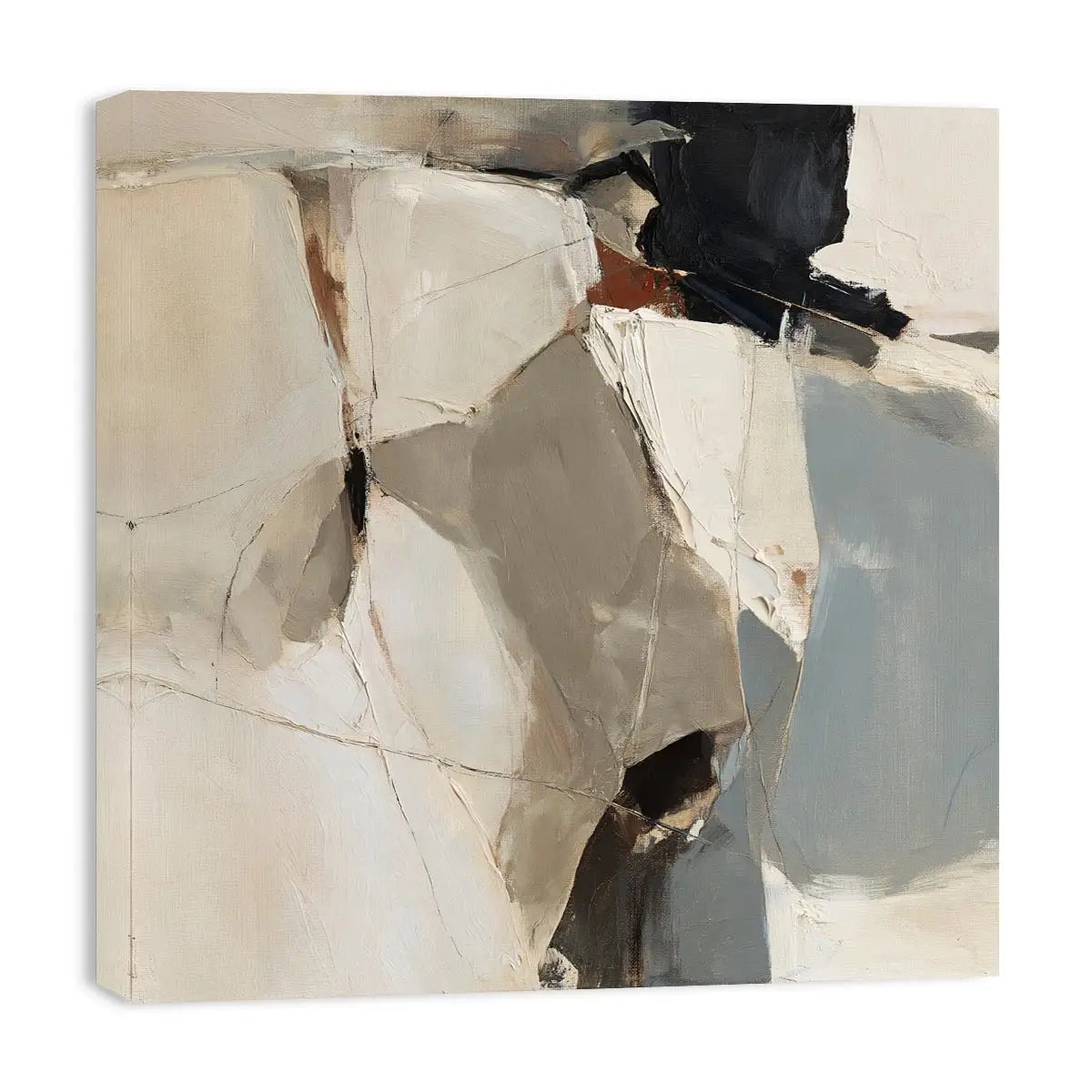
Fragments in Balance

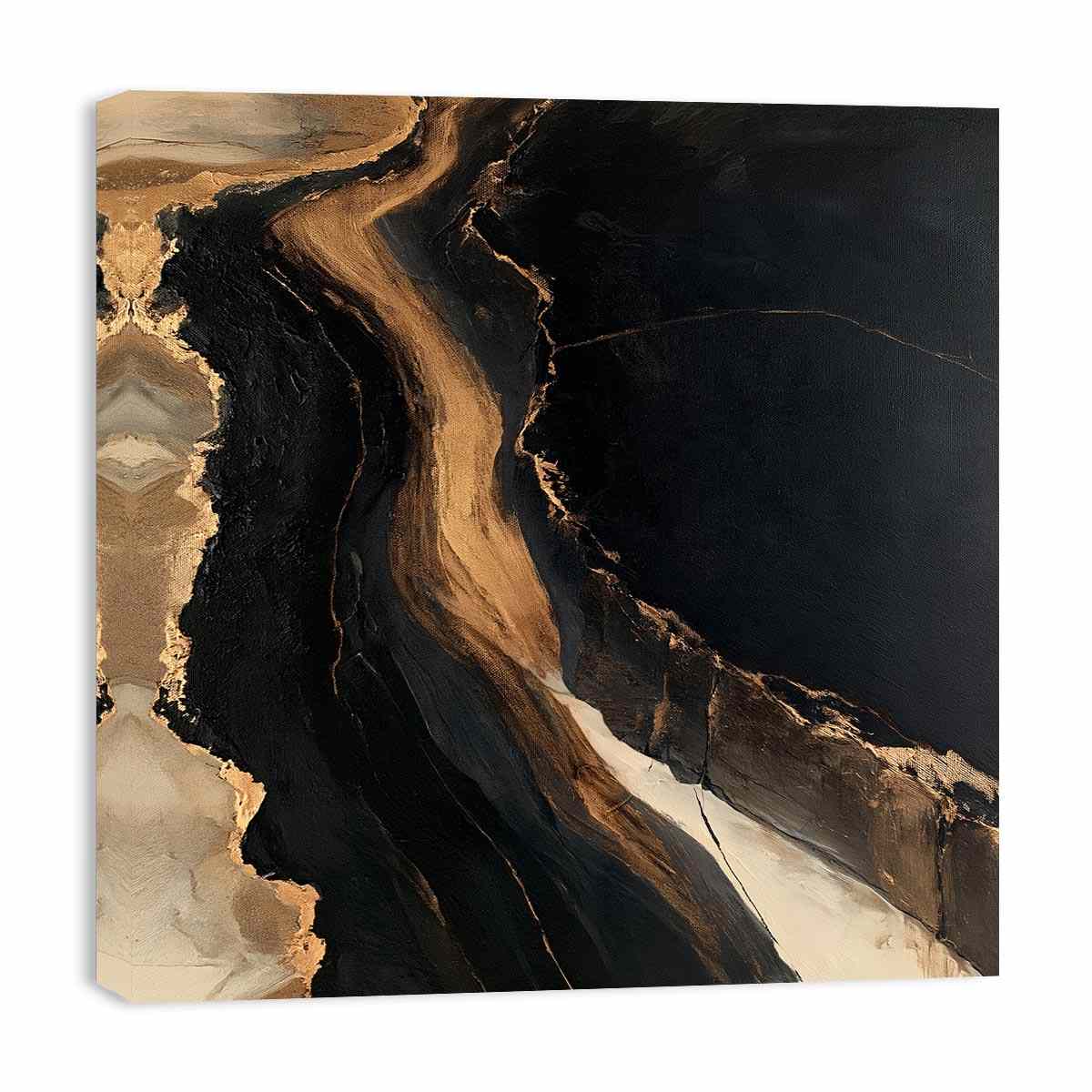
Gilded Obsidian Flow

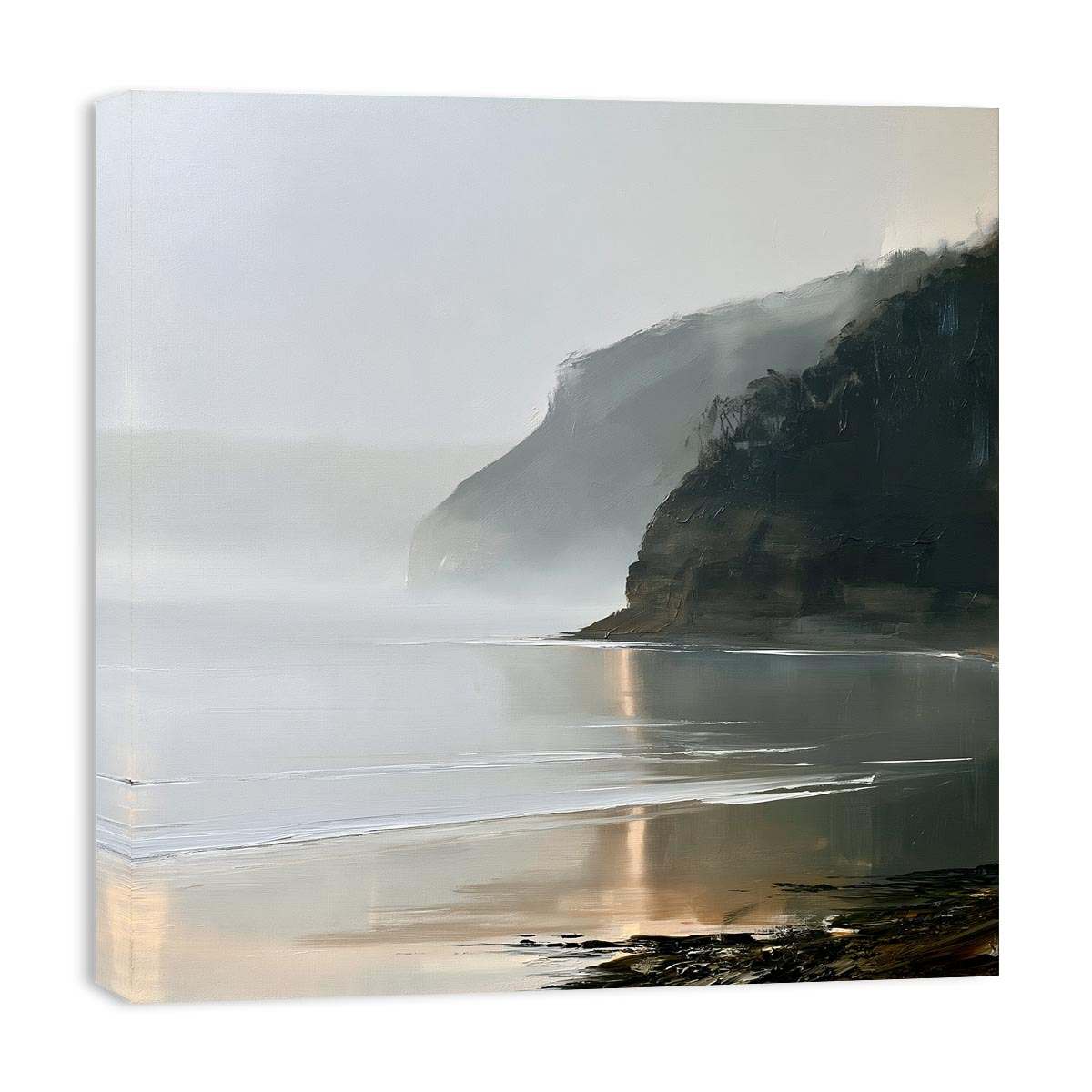
Misty Coastal Solitude

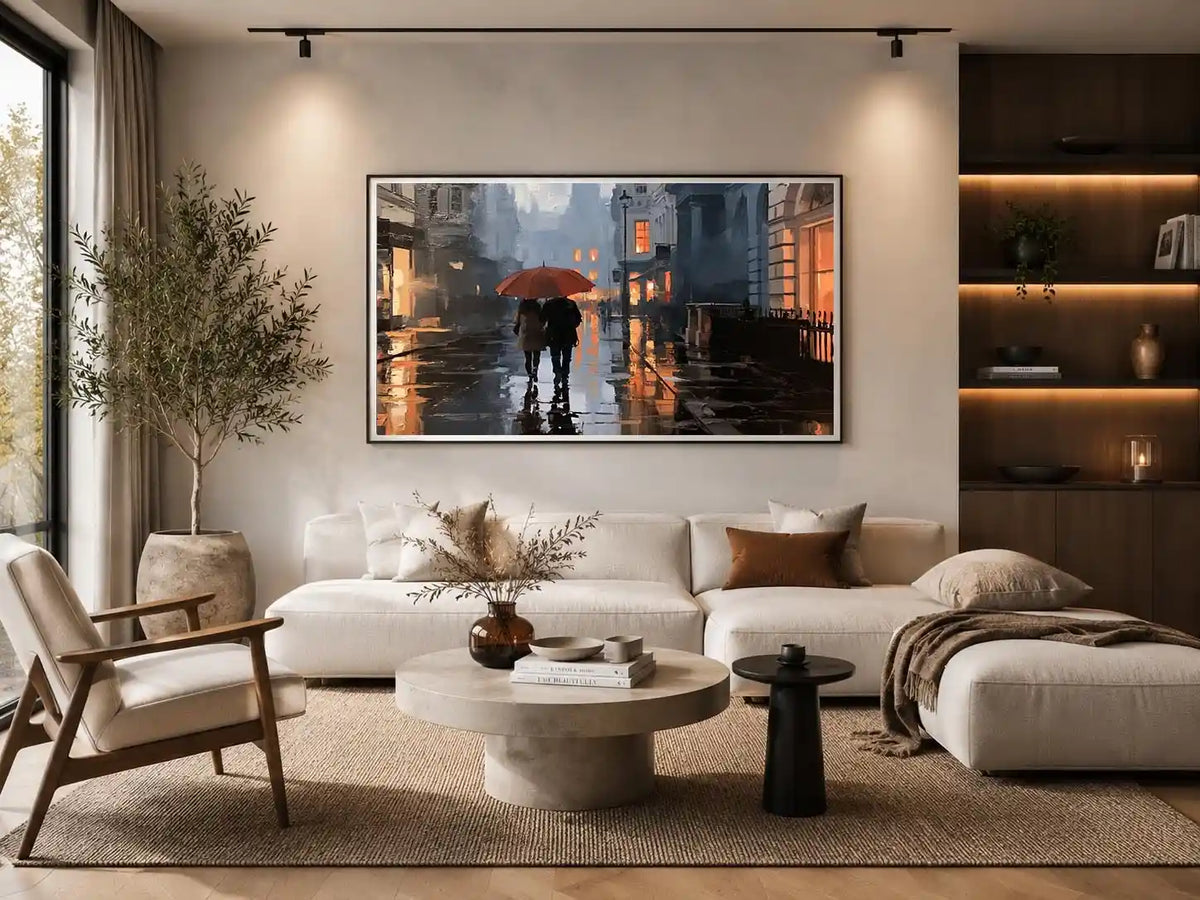
Together Beneath the Rain


Petals in the Evening Light


Midnight Ocean Symphony

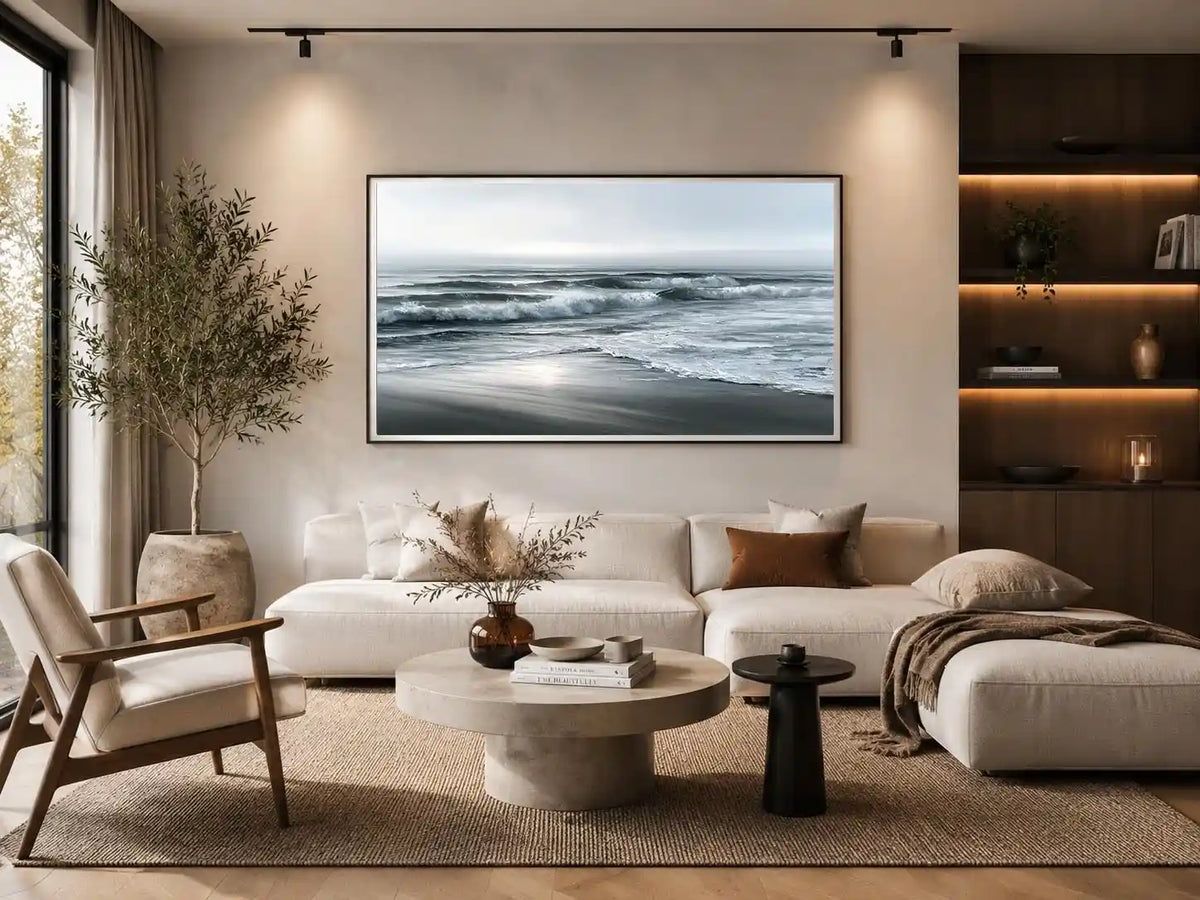
Silver Waves at Dawn


A Quiet Moment in the Rain


Valley of Tranquil Light

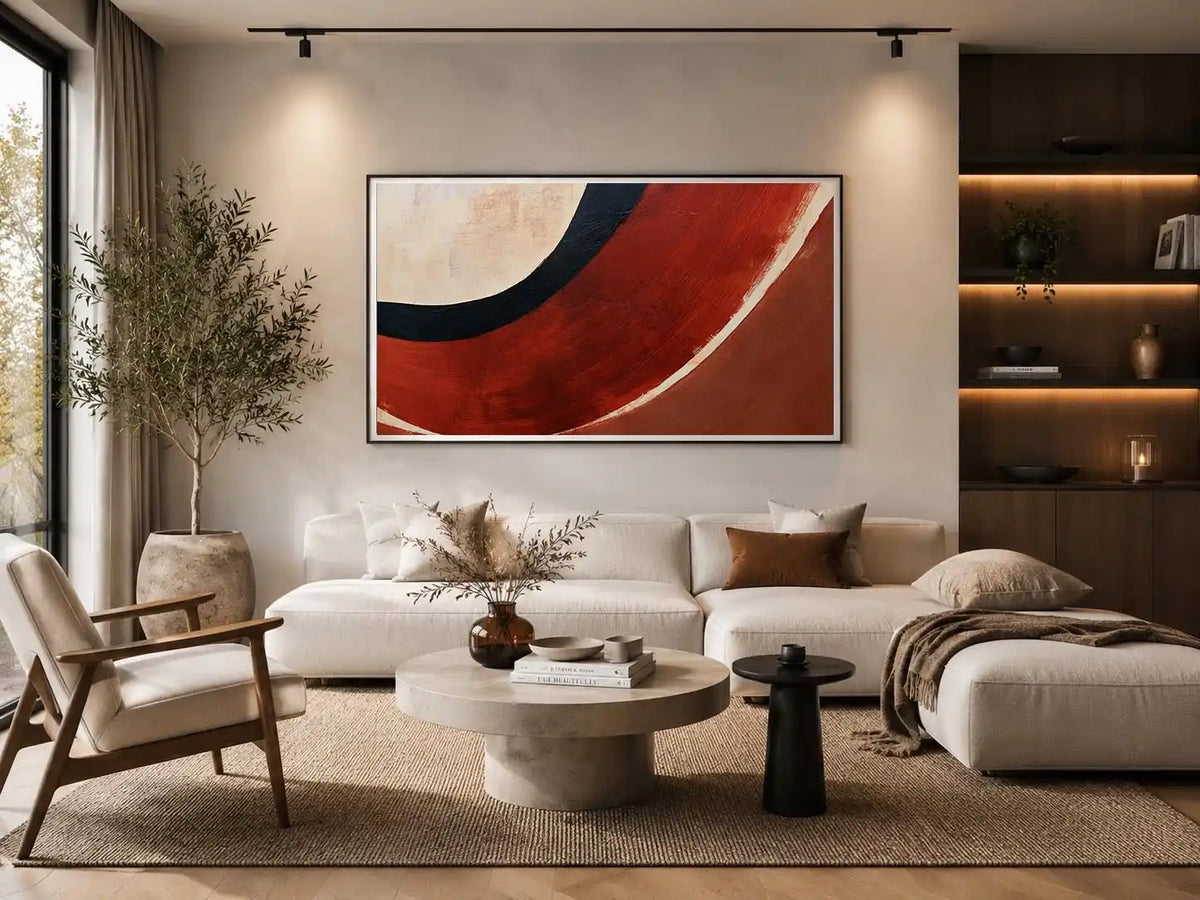
Earth, Charcoal and Movement


The Harbour Watcher


Māori Woman by the Coast


Presence in Black and Ivory


Māori woman


Brisbane in Rose and Silver


Beneath the Story Bridge

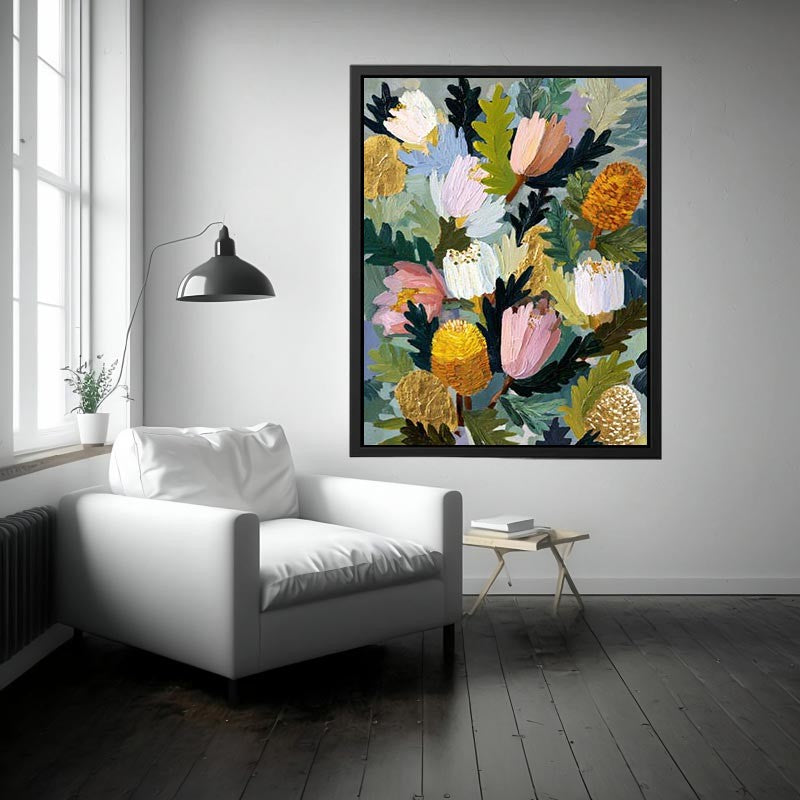
Wild Banksia Bouquet

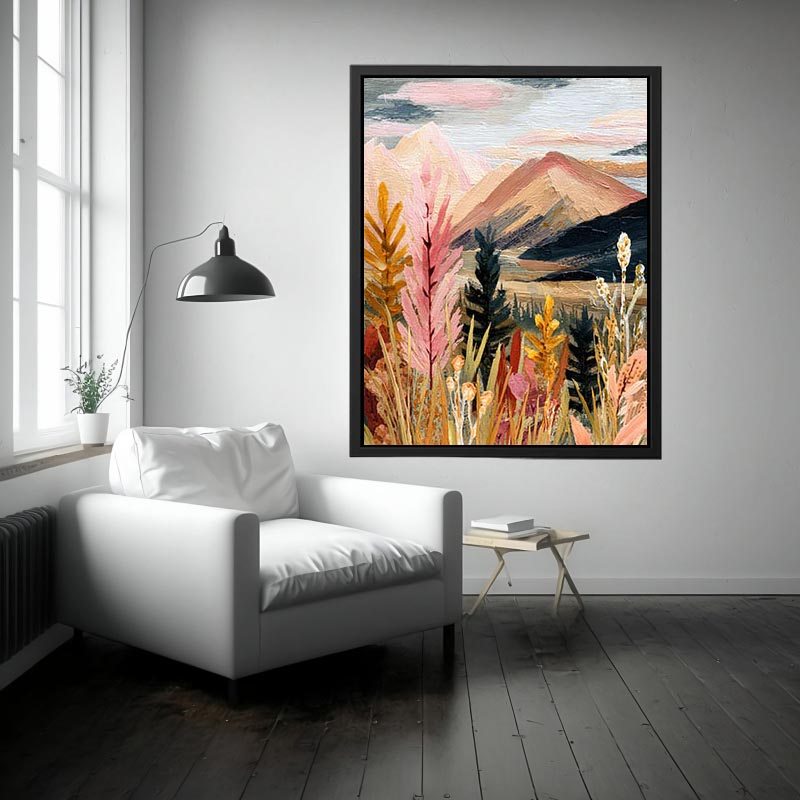
Golden Plains


Rider Motorcycle

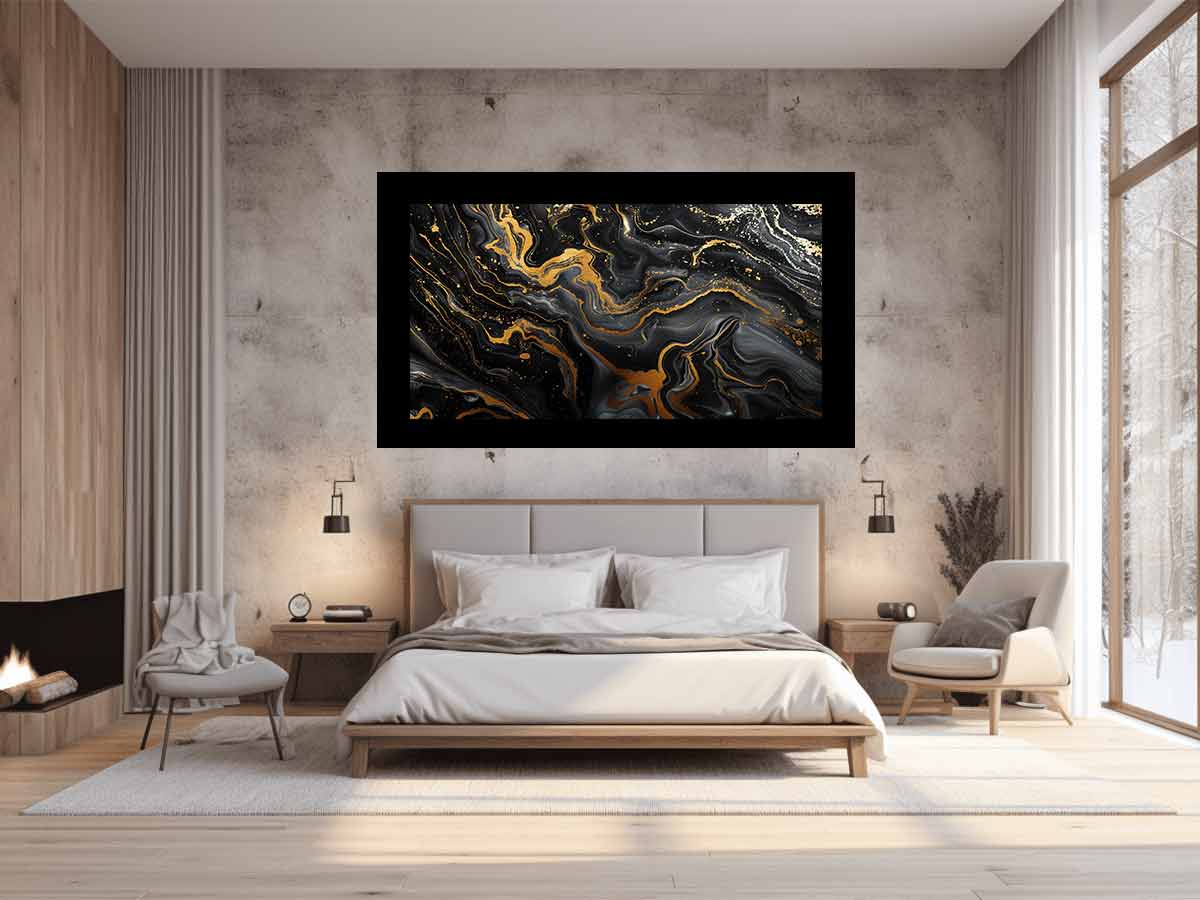
Black Gold Marble Art


Cityscape Tall Buildings


Elephant Painting


Dog wearing Helmet Modern Art


Black And White Couple Dance Modern Painting


Cat Beneath Her Gaze


Couple Under Umbrella Art


Red Drip Painting


Black White Abstract Painting

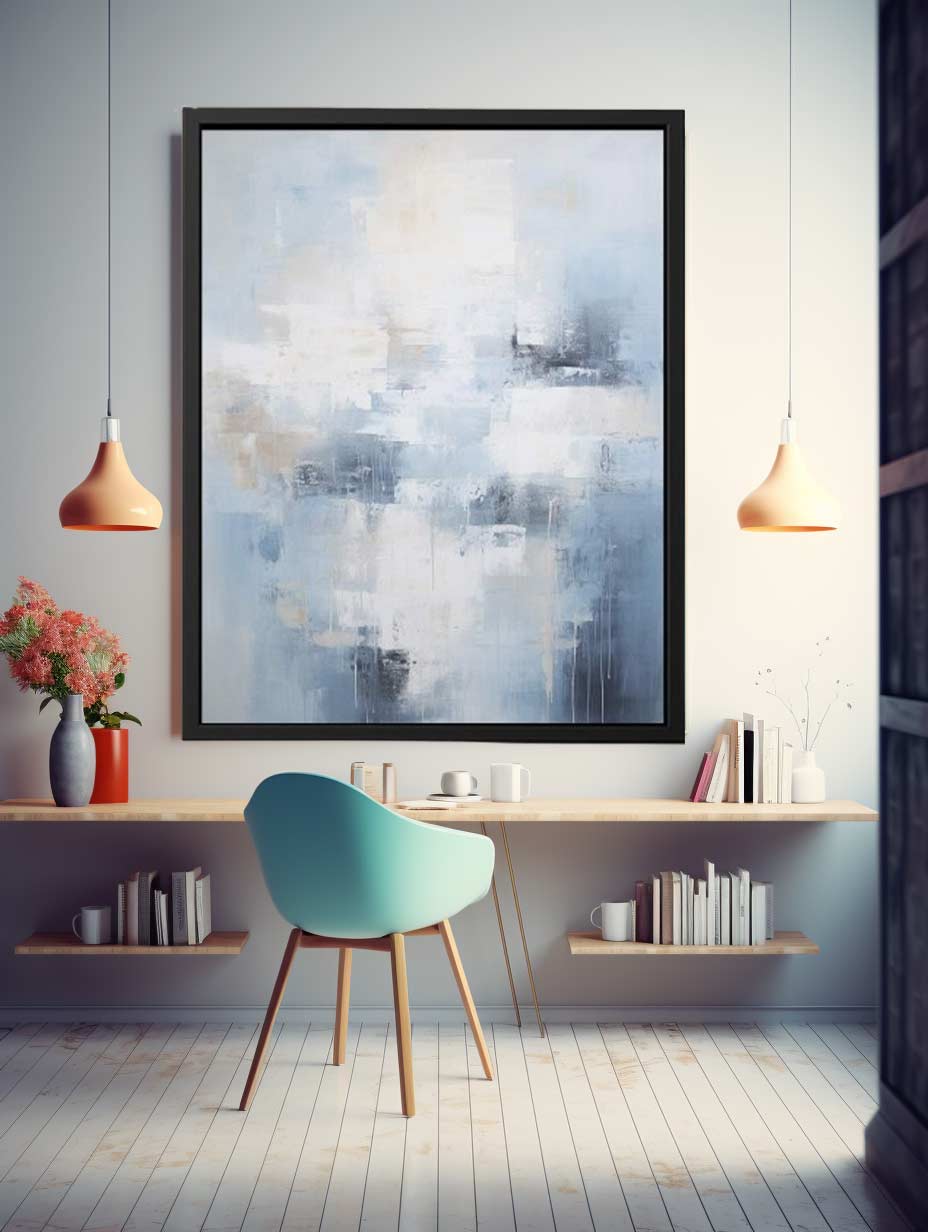
Abstract Grey Painting
Bring expressive marks and drawing-inspired detail into your home with sketch art. A confident contour, delicate shading or a loosely suggested form can make an image compelling without describing every feature. Explore sketch wall art at Canvas Art Prints Australia and choose a piece that reflects your appreciation of line, observation and artistic expression.
Sketch Artwork with Character in Every Mark
The appeal of a sketch-style composition often lies in what is emphasised and what is left suggested. A few lines may establish a subject, while repeated marks build tone and depth. Open areas allow those details to stand out and contribute to the balance of the image.
Start with what holds your attention. You might enjoy the energy of a gesture, the precision of an outline or the gradual transition between light and shadow. Consider the complete artwork, including its background, before deciding where it will hang.
Choose Your Drawing-Inspired Style
Contours and Clear Outlines
A line-led image places greater emphasis on shape and proportion. Notice how the marks connect, where they stop and how the surrounding space helps define the subject. A clear outline can remain effective from across a room, depending on its scale and contrast.
Tonal Studies and Shading
Layers of lighter and darker marks can suggest volume, texture and distance. If subtle shading is central to the artwork’s appeal, choose a size and display position that allow those tonal changes to remain visible from your usual viewing distance.
Loose and Expressive Sketches
A freer treatment can suggest movement through repeated lines, changing mark weight or areas that appear unfinished. Look at how these qualities contribute to the composition rather than judging it by the amount of detail alone.
Find a Palette That Complements Your Interior
Look at the whole image when comparing sketch artwork. Background colours and lighter areas may occupy much of the composition, strongly influencing how the finished piece relates to your wall.
- Black and white: emphasise contours, gestures and tonal contrast.
- Soft grey: brings attention to delicate shading and subtle marks.
- Cream and warm neutrals: connect with timber, linen and natural textures.
- Colour accents: provide a link to textiles or decorative objects.
Repeat one secondary colour from the artwork elsewhere in the room for a subtle connection. A paper-like background or surface effect may be part of the image itself, so check the listing for the physical material.
Styling Sketch Wall Art Around Your Home
In a living room, sketch artwork can become a focal point above a sofa or sideboard. Relate its proportions to the furniture beneath it and check how clearly its main forms appear from across the room.
In a bedroom, a drawing-inspired piece can complement natural fabrics or balance patterned bedding. Choose a subject and level of contrast you enjoy living with.
In a study or reading corner, position detailed work where you can appreciate its finer marks from your usual seat. Allow clear space around shelving and nearby objects so the image remains distinct.
In an entrance or hallway, consider the view as you approach. Defined shapes can remain effective from farther away, while delicate linework rewards closer viewing.
Balance Fine Detail with Your Surroundings
Consider the patterns and textures already present in your room. Rugs, upholstery and decorative objects each contribute visual detail. A simpler sketch can provide contrast, while a richer tonal study can add interest alongside clean-lined furniture.
Give the artwork enough surrounding space to be appreciated. A detailed image may need little decoration nearby, particularly when its subtler marks are important to the composition.
Select the Right Size and Orientation
Measure your available wall before choosing a size. Landscape compositions often complement wider furniture, while portrait pieces can suit narrower spaces. Follow the proportions of the original image as well as the shape of your wall.
Consider line weight alongside overall dimensions. Fine marks need a suitable scale and viewing distance to remain clear. Mark the proposed size with removable tape and review the outline from the room’s entrance and usual seating positions.
For framed artwork, confirm whether the listed measurements describe the image or the finished piece. Allow for the overall dimensions, including any mount, when planning its position.
Compare Original Drawings and Sketch Art Prints
Check the individual product page to confirm whether the item is an original drawing or a reproduced print. A pencil-like or charcoal-like appearance does not establish the physical medium of the product being sold.
Review the available sizes, materials and framing choices. Where canvas and paper formats are offered, compare their surfaces and presentation. For rolled or unframed options, account for any stretching or framing you intend to arrange separately.
A light frame can complement a pale background, a darker finish can connect with stronger marks, and a timber-toned frame can echo warmer colours. Select from the options available for your chosen artwork.
Create a Coordinated Drawing-Inspired Display
Pair artworks through a shared palette, compatible proportions or consistent framing. Different subjects can work together when their line weight, tonal contrast or visual balance connects.
Plan the arrangement before hanging. Keep spacing considered and view the grouping from across the room, allowing each piece enough space to be appreciated individually.
Sketch Art FAQs
What is sketch art?
Sketch art uses drawing-like lines, marks or shading to describe a subject or explore a visual idea. Its appearance may be loose and immediate or more detailed and carefully developed.
Are all sketch artworks original pencil drawings?
No. A sketch-style image can be reproduced as a print, and the original medium may vary. Refer to the individual listing for its production method and materials.
Is sketch artwork always black and white?
No. Drawing-inspired artwork can include colour as well as monochrome tones. Review the complete product image when choosing a palette.
How is sketch art different from minimal line art?
Sketch art may use shading, repeated marks and detailed observation. Minimal line art generally relies on fewer lines and greater use of open space. Some compositions combine both approaches.
Explore sketch art at Canvas Art Prints Australia, compare the available sizes and formats, and find a piece that brings expressive detail and personal character to your home.