
Food Artwork Australia | Kitchen & Dining Wall Art

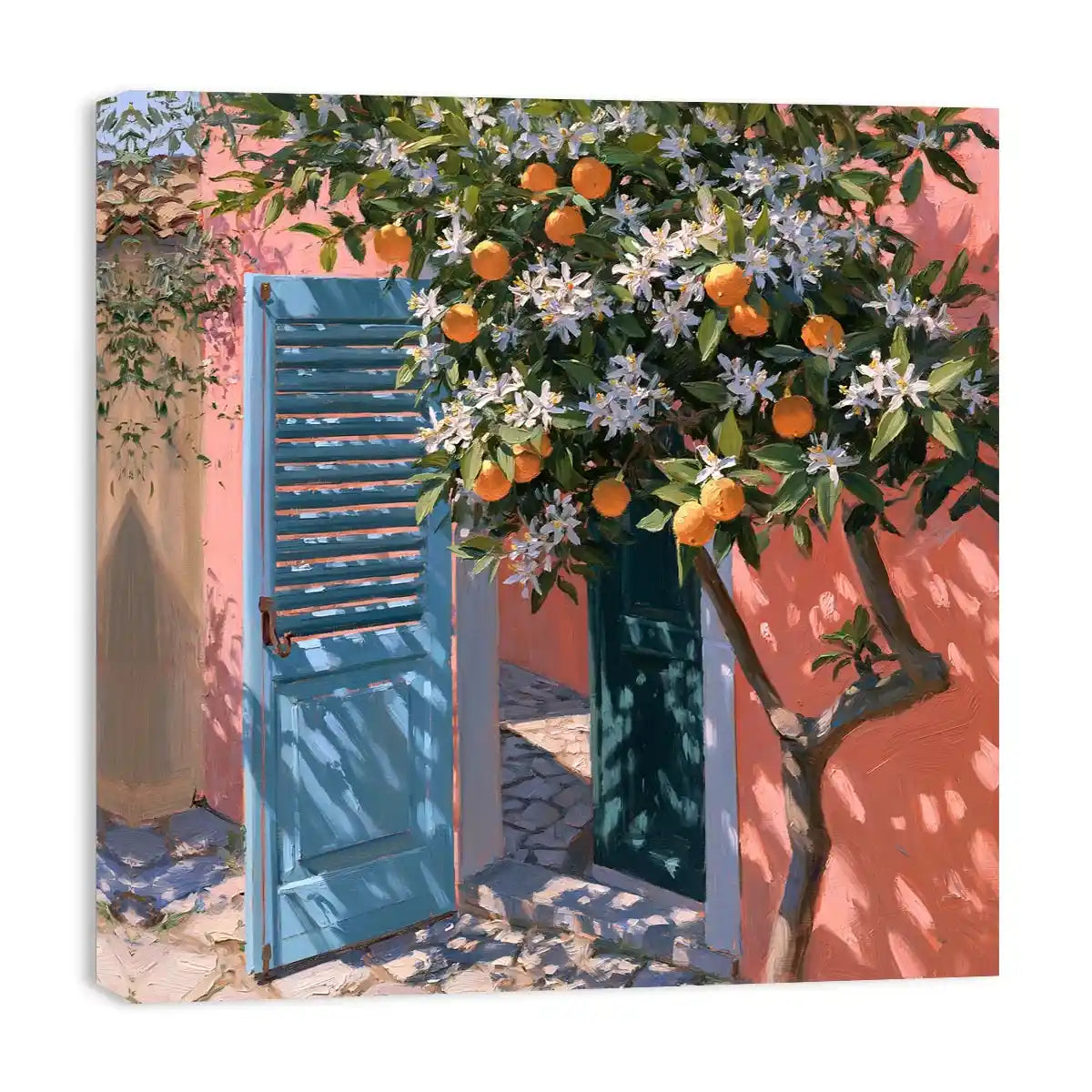
Orange Blossom Passage

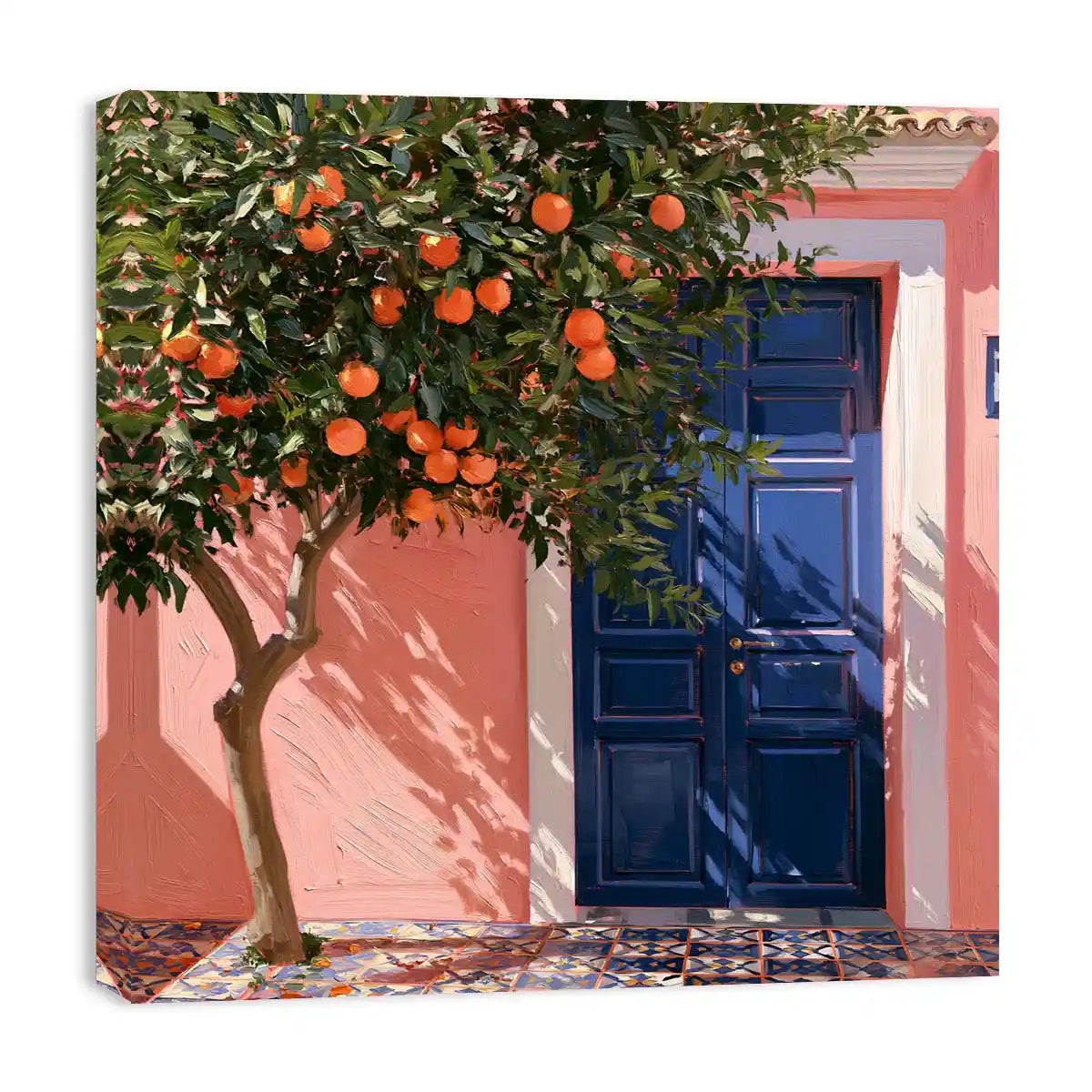
The Blue Courtyard Door

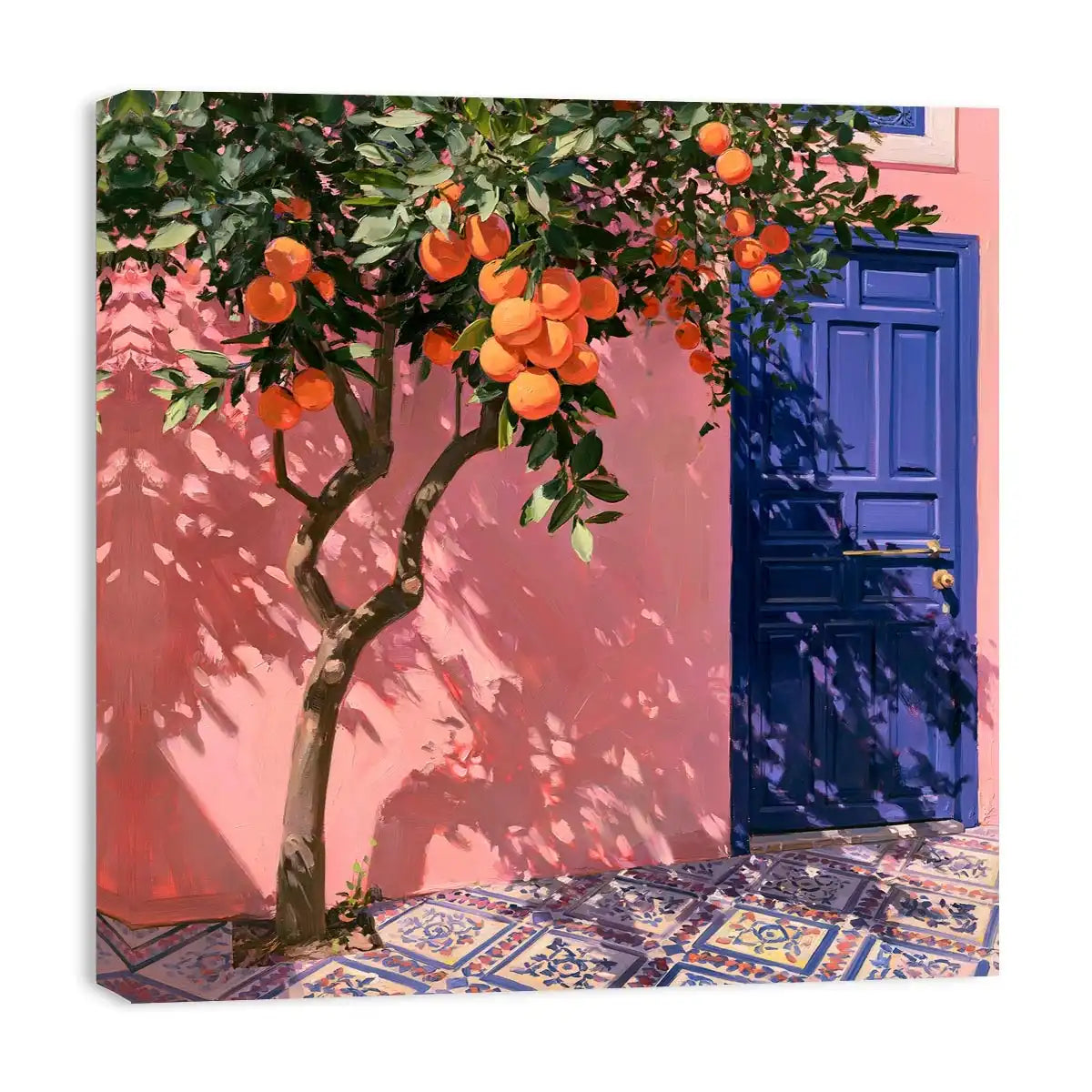
Citrus Courtyard Glow


Protea & Figs

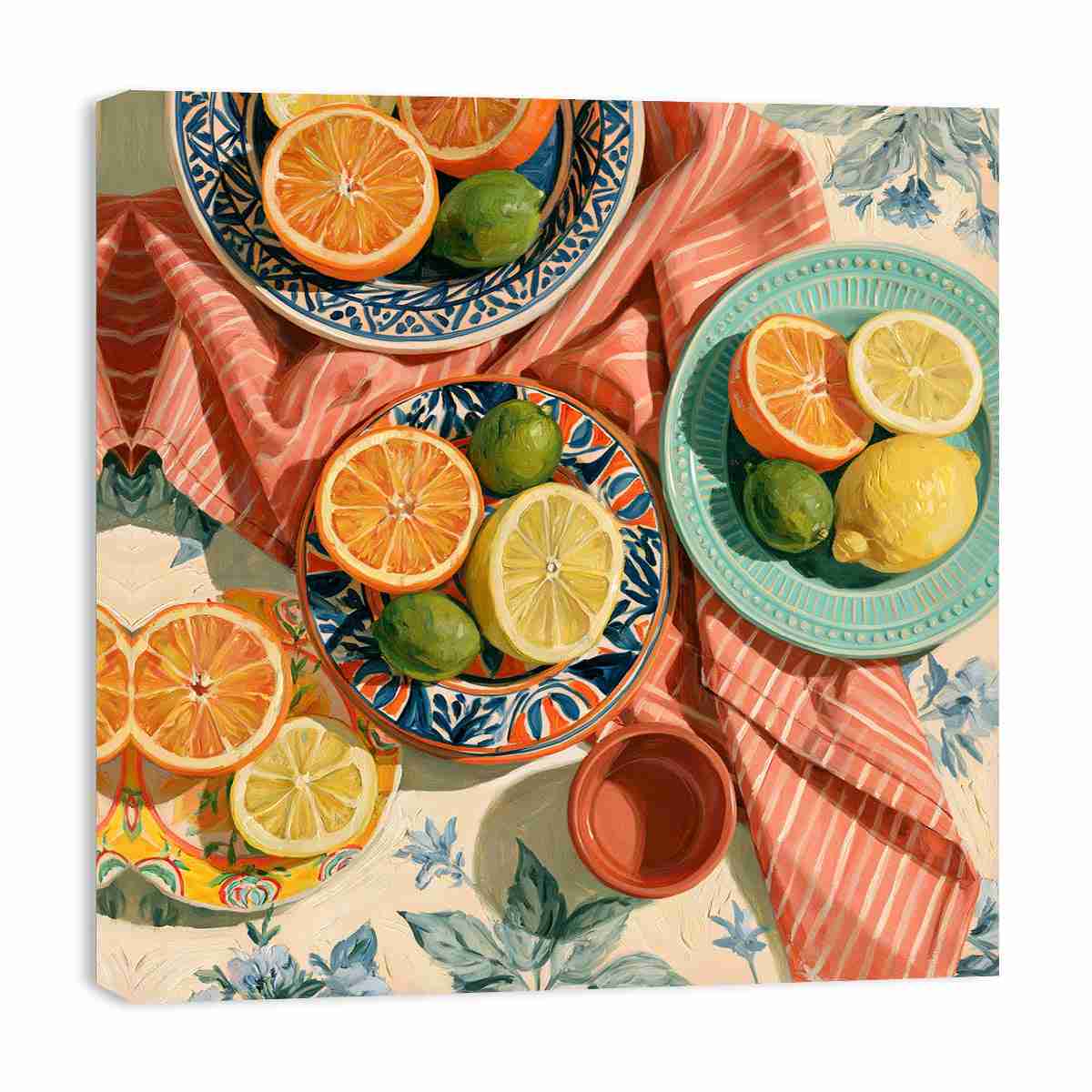
Mediterranean Citrus Feast

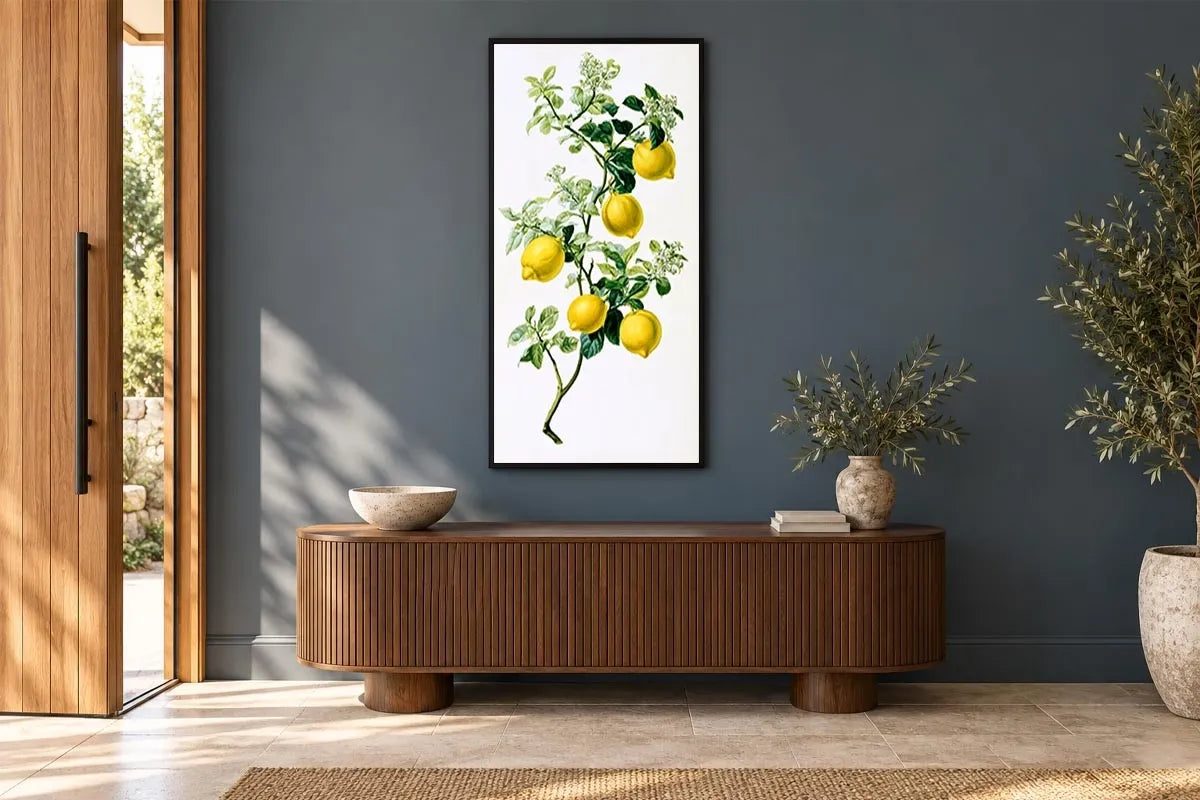
Lemon Grove Study


The Milkmaid Painting by Jan Vermeer Van Delft


Aged Grace, Fresh Delight

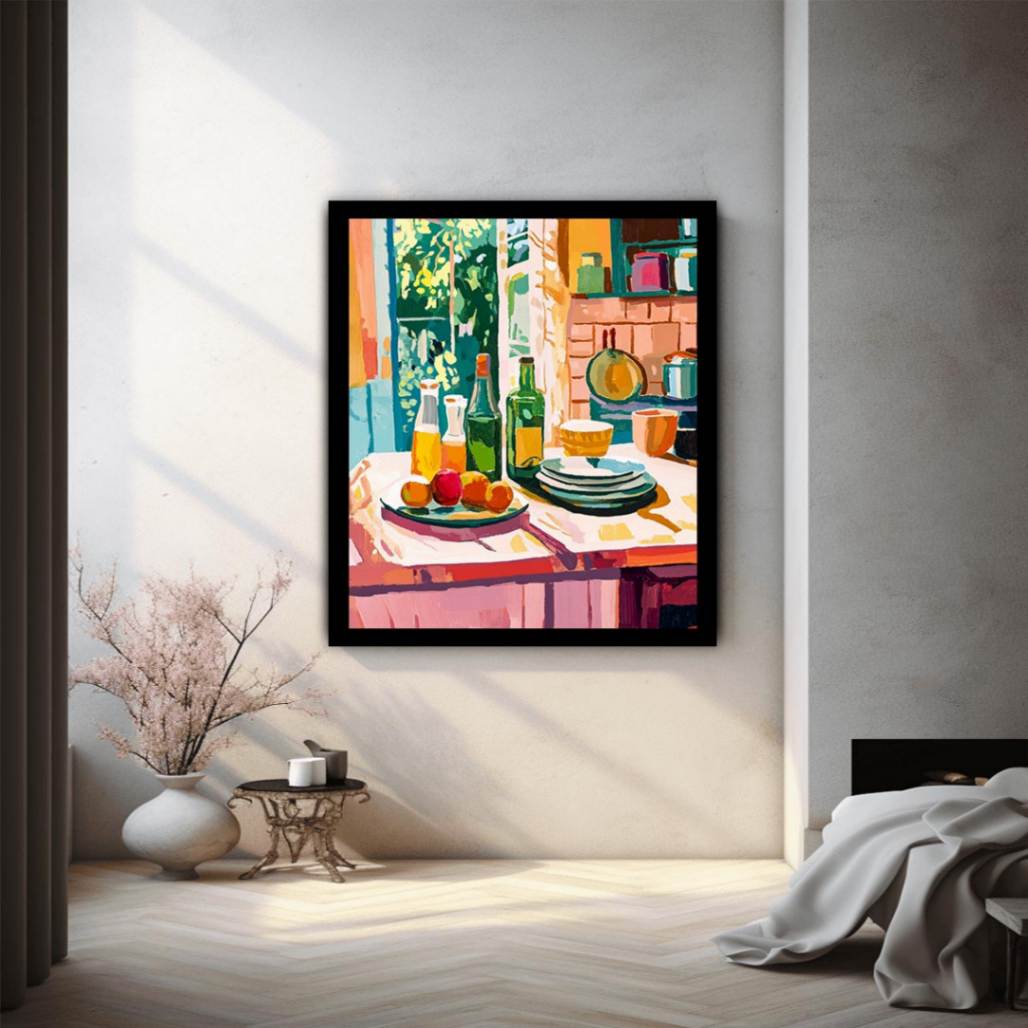
Stillness of the Vine and Table


Bacchus's Quiet Feast


The Unfading Bloom – Watercolor Flower Kitchen


Captured Fragrance


The Unfading Bloom

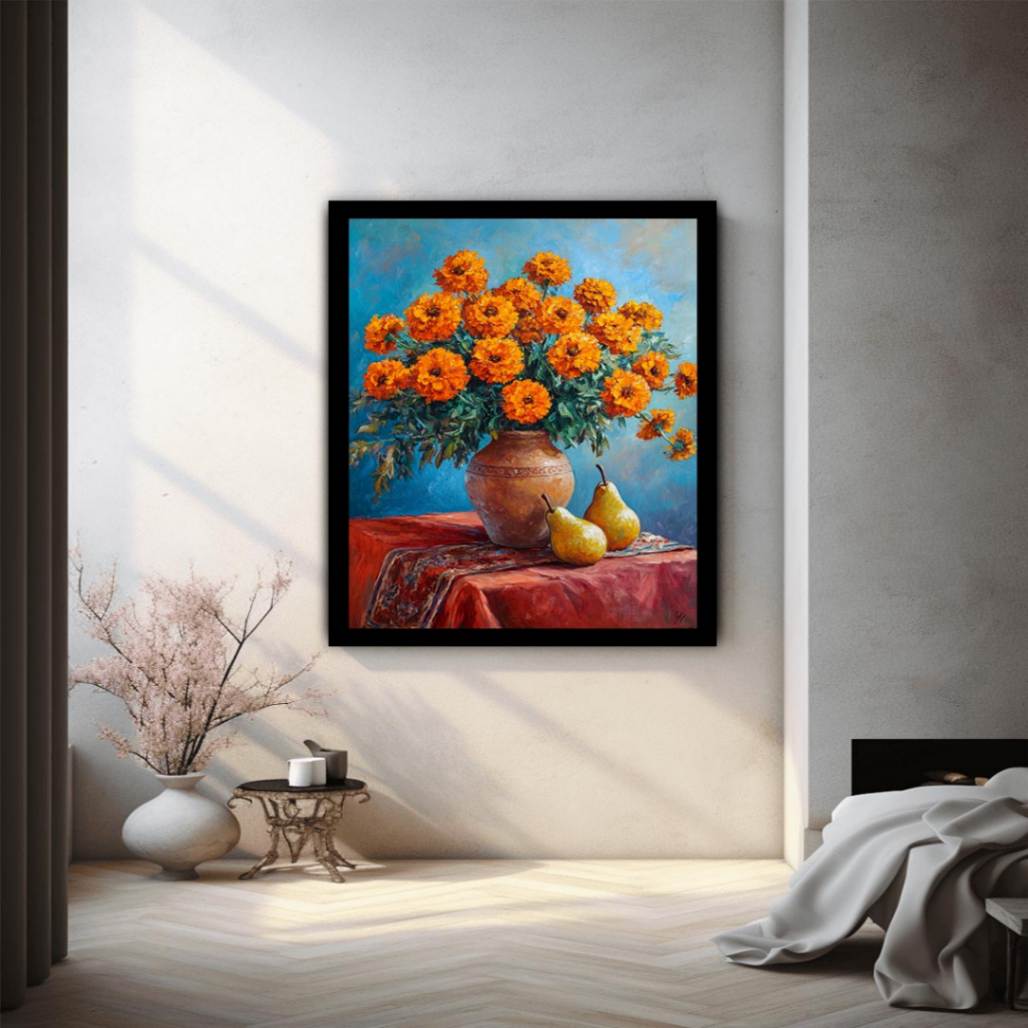
Vessel of Blooms – Orange Marigold

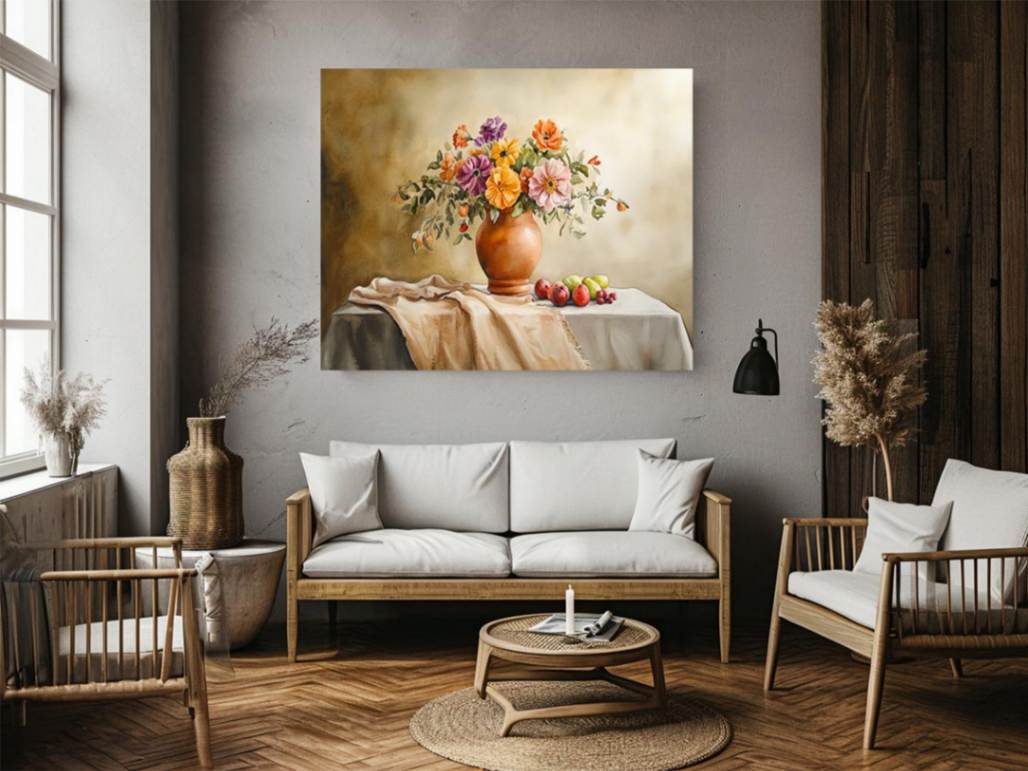
Floral Reflection – Floral Still Life Dining


Golden Hour Sip


Love Red wine


The Cook's Keepsakes


Stillness of the Vine


Uncorked Harvest

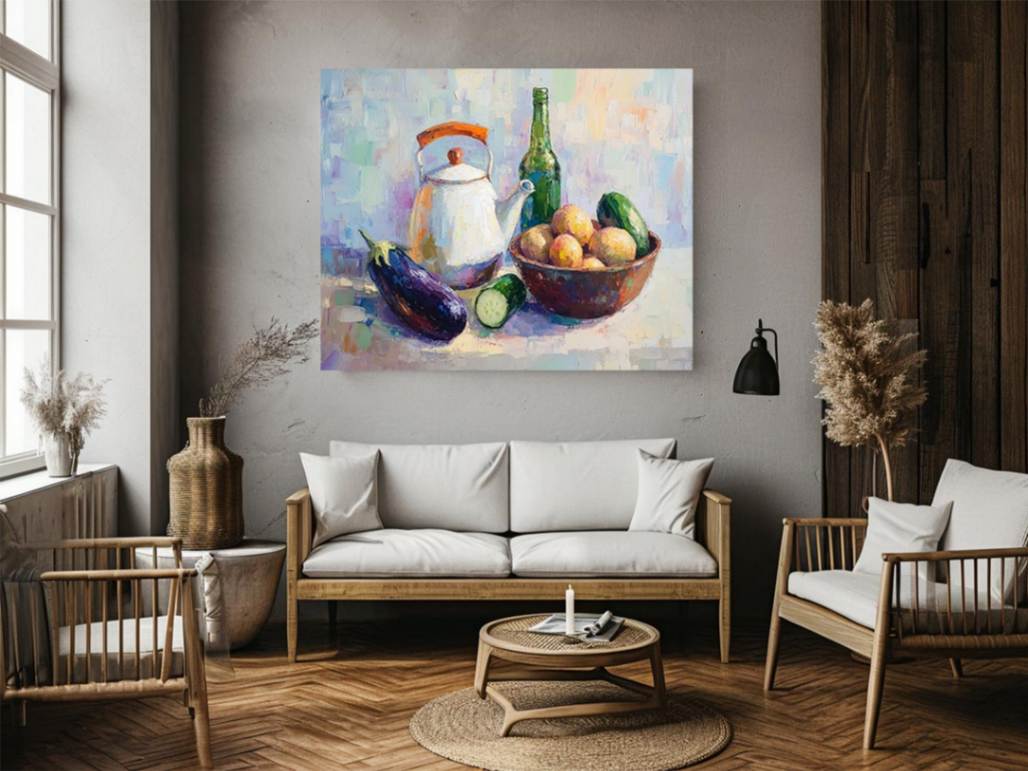
Orchard's Elixir


Vino's Embrace


The Uncorked Moment


Crimson Stillness


Aged Elegance – Bold Wine Fruit Still Life


Blue Pitcher Still Life Kitchen

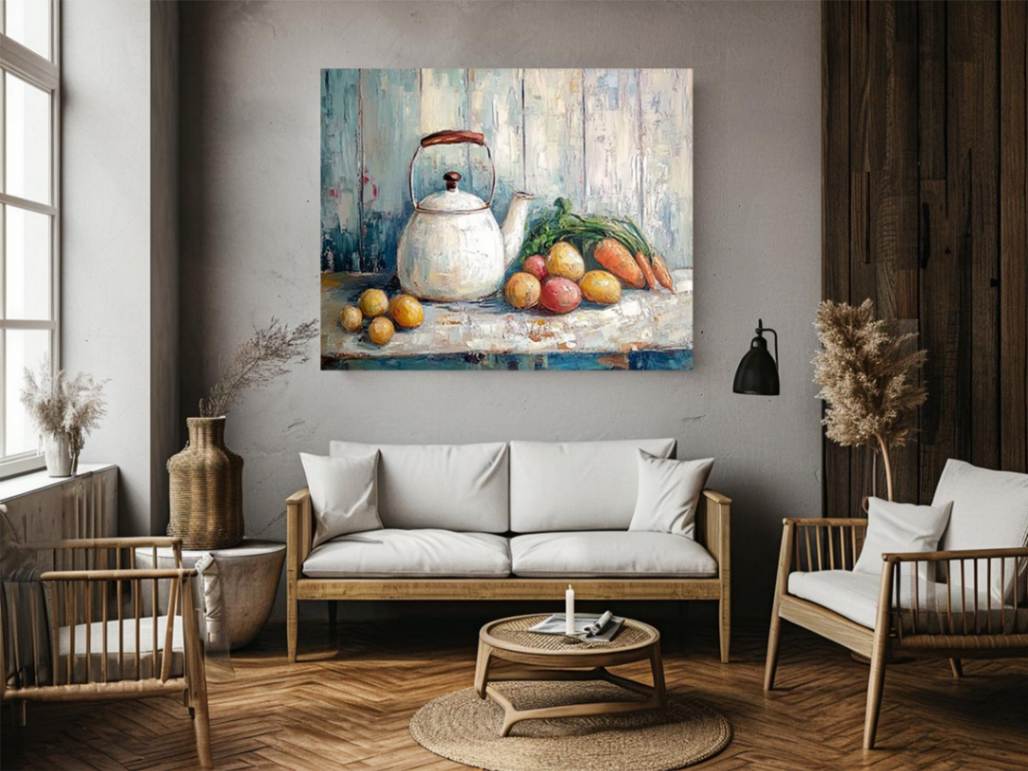
Timeless Arrangement

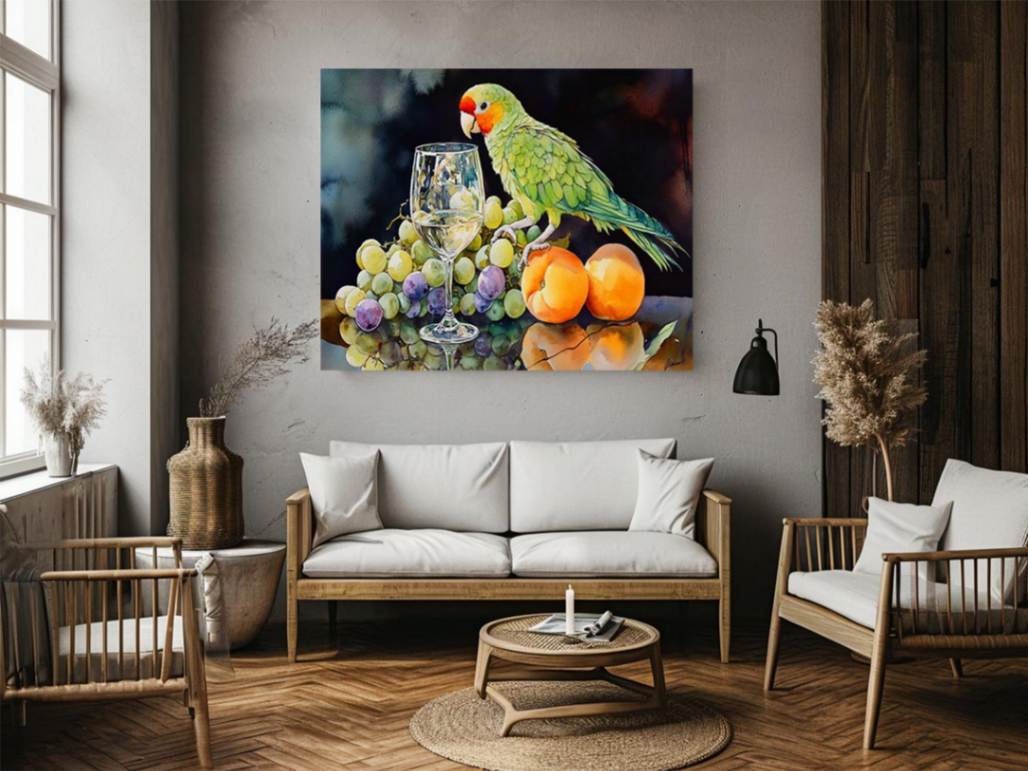
Patina & Peace


Whispers from the Past


Aged Elegance


Echoes of Time


Harvest's Hush
Bring your love of food into everyday view with food artwork. Colourful ingredients, thoughtfully arranged tableware and familiar dining scenes turn everyday subjects into art worth lingering over. Explore food wall art at Canvas Art Prints Australia and choose a piece that brings personality to your kitchen, dining room or breakfast nook.
Food Wall Art Inspired by Everyday Pleasures
Food imagery encourages us to notice the beauty of ordinary things: the curve of a bowl, the texture of an ingredient or the contrast between objects on a table. Light, colour and composition give these subjects their character, creating images that can feel understated, expressive or full of detail.
Start with an artwork that connects with you. It might recall a favourite meal, reflect your interest in cooking or simply feature shapes and colours you enjoy. Consider the background and surrounding objects as carefully as the main subject, since they help define the atmosphere of the image.
Choose Your Food Art Composition
Individual Ingredients and Simple Arrangements
A composition with fewer elements gives each subject room to stand out. Look for clear shapes and a balance of detail and open space if you prefer a focused image alongside simple furnishings.
Still-Life Food Artwork
A still-life arrangement brings food together with objects such as bowls, plates or table linens. Notice how their shapes overlap and how colours repeat through the scene. These relationships can make the artwork engaging beyond the food itself.
Table Settings and Wider Dining Scenes
A broader composition places food within a setting, introducing more detail and a sense of occasion. Choose a size that allows the elements you enjoy to remain visible from your intended viewing position.
Styling Food Artwork Around Your Home
In a kitchen, use artwork to give an available wall its own character. Consider the colours and lines of your cabinetry, benchtops and shelving so the piece feels connected to the space.
In a breakfast nook, check the view from your usual seat. A smaller composition can provide interest at close range, while a wider image may work well alongside a bench or dining arrangement.
In a dining room, food wall art can create a focal point near the table or above a sideboard. Relate its proportions to the furniture beneath it and leave comfortable space around the display.
In an open-plan home, connect the artwork with the wider interior through colour or framing. A shared accent can help link the kitchen and dining area with nearby living spaces.
Find Colours That Complement Your Interior
Look at the whole palette when comparing food artwork. Backgrounds, table surfaces and shadows may occupy much of the image and strongly influence how it relates to your walls and furniture.
- Warm red, orange and yellow: introduce lively accents alongside neutral furnishings.
- Green and earthy brown: connect with timber, woven materials and natural fabrics.
- Cream and muted neutrals: complement pale cabinetry and understated interiors.
- Deep background tones: give lighter subjects and brighter details greater definition.
Repeat a secondary colour from the artwork in a textile or decorative object for a subtle connection. If the image contains many objects or strong contrasts, simpler surroundings can help the composition remain clear.
Select the Right Size and Orientation
Measure your available wall before choosing a size. Landscape compositions often complement wider furniture, while portrait pieces can suit narrower spaces. Consider how the subjects are arranged within the original image as well as the shape of your wall.
Mark the proposed dimensions with removable tape and view the outline from the room’s entrance and usual seating positions. Check that the scale feels balanced and that finer details will remain visible at your intended viewing distance.
For framed artwork, confirm whether the listed measurements describe the image or the finished piece. Allow for the overall dimensions when planning its position beside shelving, windows or other wall art.
Compare Artwork Formats and Framing Options
Check the individual product page for its production method, available sizes, materials and framing choices. If you are seeking a hand-painted painting, confirm that the listing identifies it as such.
Where canvas and paper options are offered, compare their surfaces and presentation. For rolled or unframed formats, account for any stretching or framing you intend to arrange separately.
A light frame can complement a pale background, a dark finish can connect with stronger outlines and shadows, and a timber-toned frame can echo warmer colours. Select from the options available for your chosen artwork.
Create a Coordinated Kitchen or Dining Display
Pair food artwork through a shared palette, compatible proportions or consistent framing. Different ingredients or arrangements can work together when their visual styles connect.
Plan a pair or gallery display before hanging. Keep spacing consistent and view the grouping from across the room, allowing each image enough space to be appreciated individually.
A Thoughtful Gift for Someone Who Loves Food
Choose a subject that reflects the recipient’s interests, whether they enjoy cooking, hosting or discovering new flavours. Consider their preferred colours and the space where they might display the piece.
Check the dimensions, material and framing details before ordering. If they prefer to choose their own frame, see whether an unframed option is available for the selected artwork.
Food Artwork FAQs
What is food artwork?
Food artwork features food, ingredients, meals or related objects as its subject. It may depict an individual item, a still-life arrangement or a wider dining scene.
Where does food wall art work well?
Kitchens, breakfast nooks and dining rooms are natural choices. Food imagery can also work elsewhere when its colours, style and proportions complement the surrounding interior.
Does food artwork suit a modern home?
Yes. A clear composition can complement clean-lined furniture, while a more detailed image can become a focal point in an understated room. Choose the palette and presentation according to your space.
How do I choose a size for a detailed food composition?
Consider how far away you will usually view it. Select dimensions that allow the details you enjoy to remain clear, then use a taped outline to check the scale on your wall before ordering.
Explore food artwork at Canvas Art Prints Australia, compare the available sizes and formats, and find a piece that brings character to the places where you cook, dine and gather.