
Renaissance Art Paintings

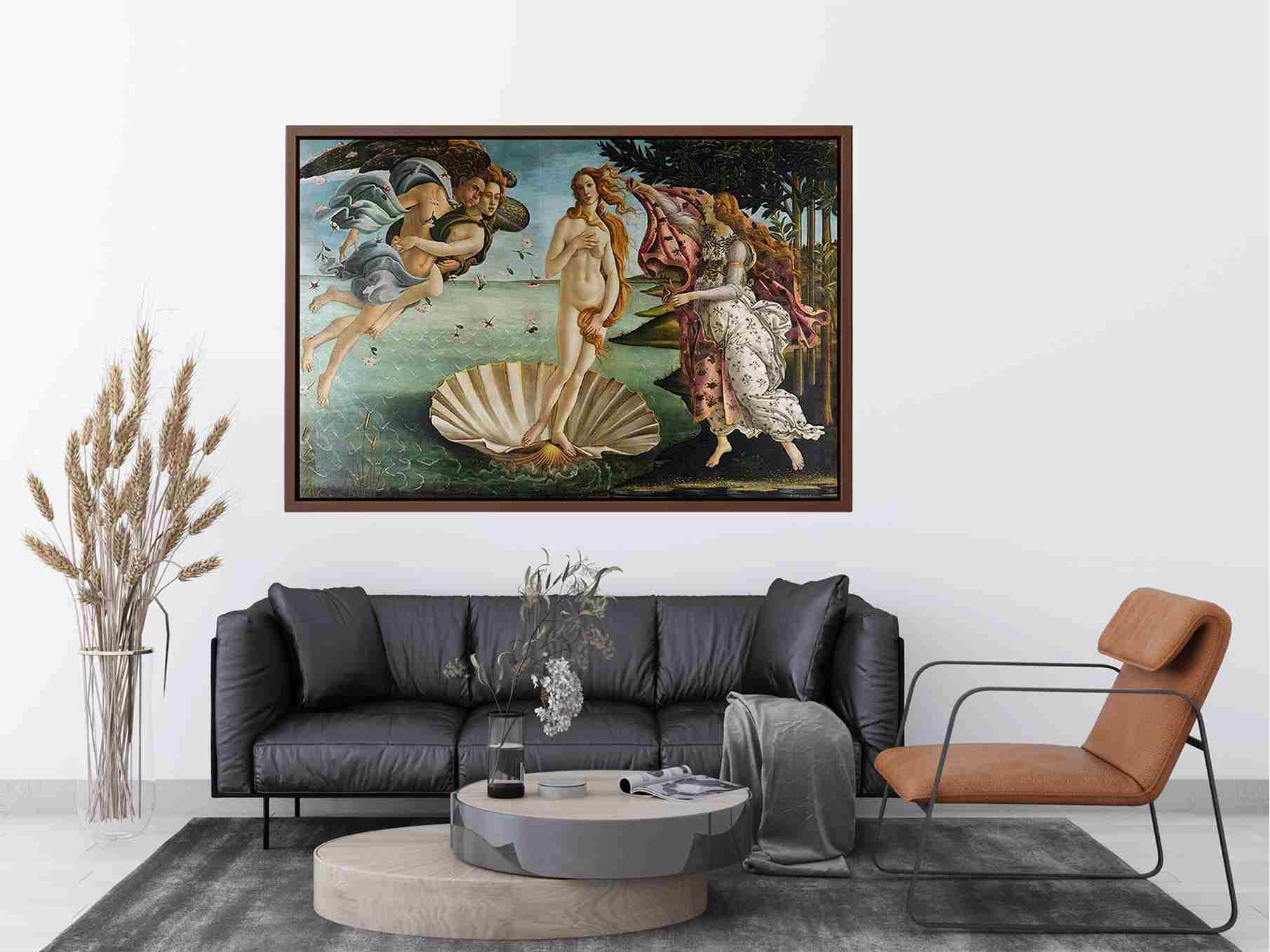
Birth of Venus I Botticelli Venus Painting by Sandro Botticelli (Alessandro Filipepi)

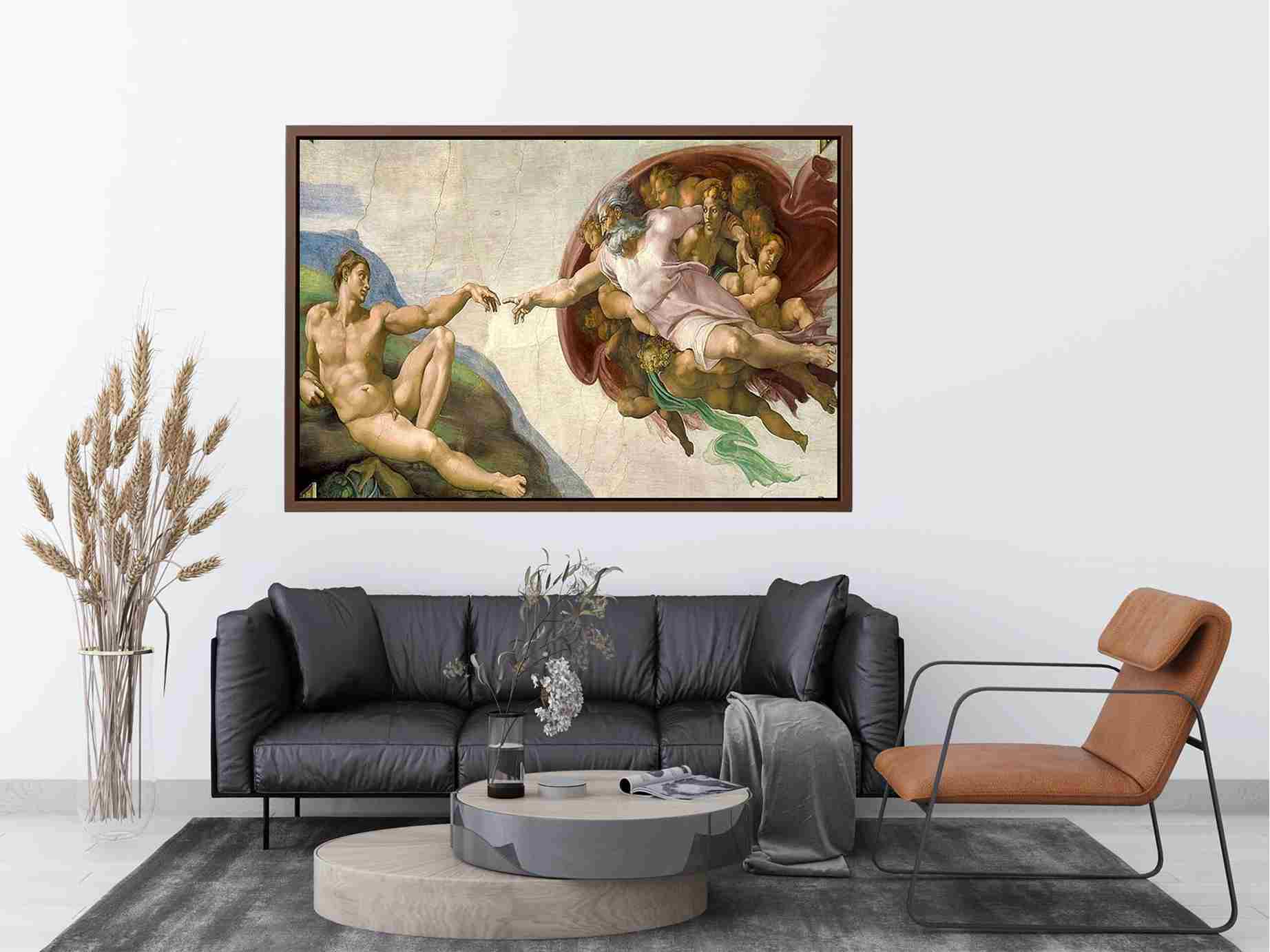
Creation of adam by Michelangelo Buonarroti

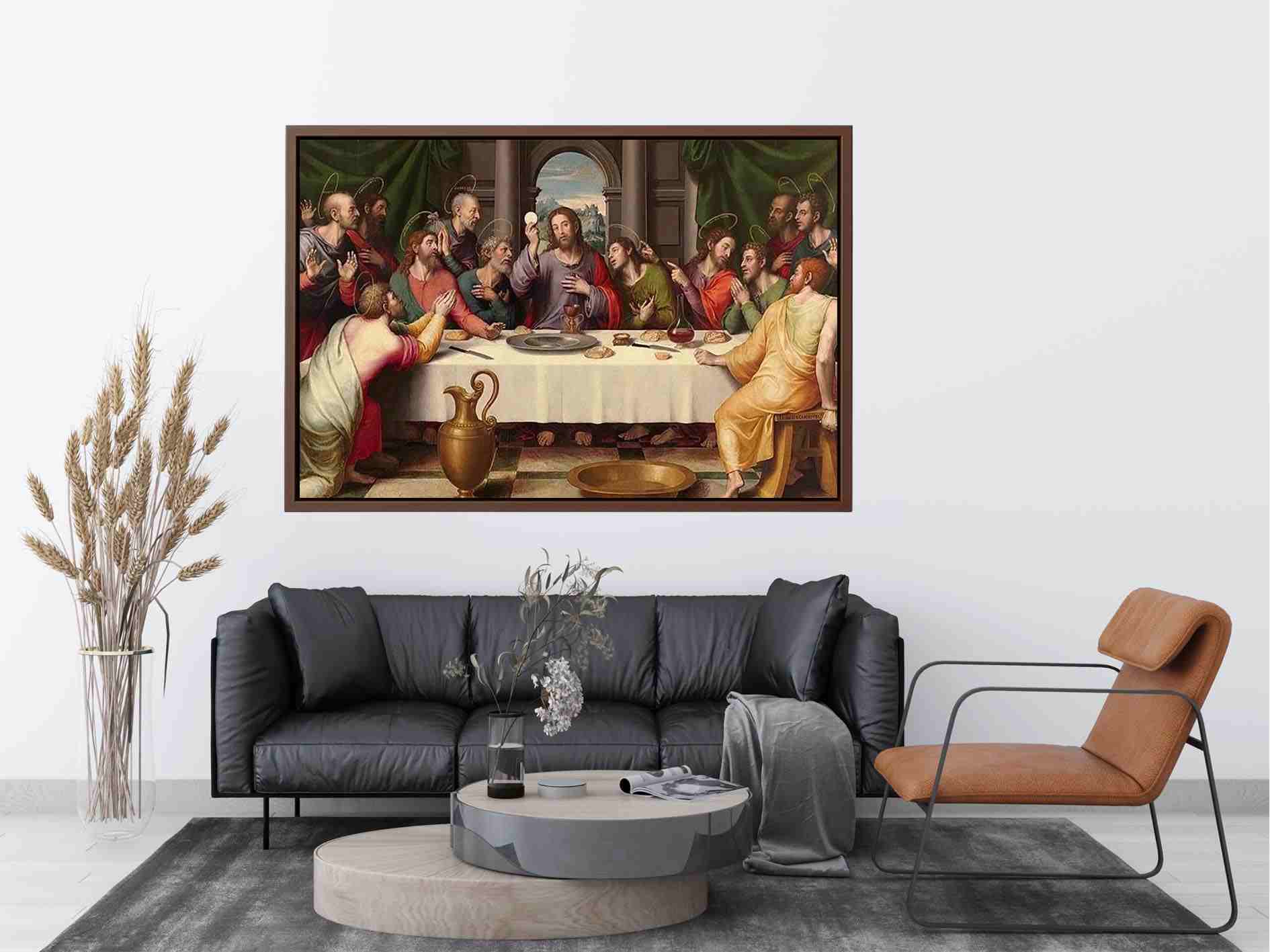
The Last Supper by Vicente Juan (Juan de Juanes)

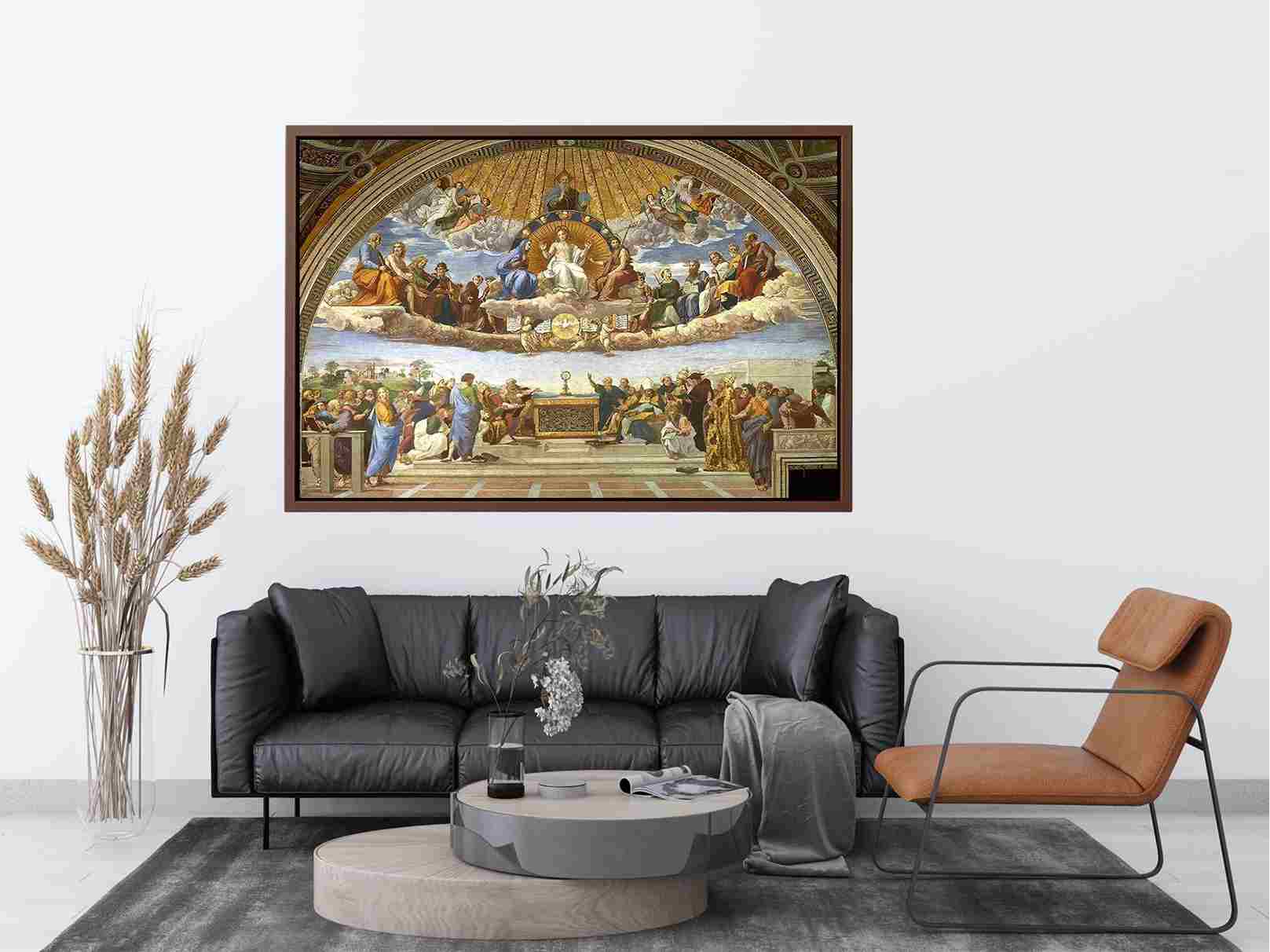
Disputation of the Holy Sacrament (La Disputa) by Raphael

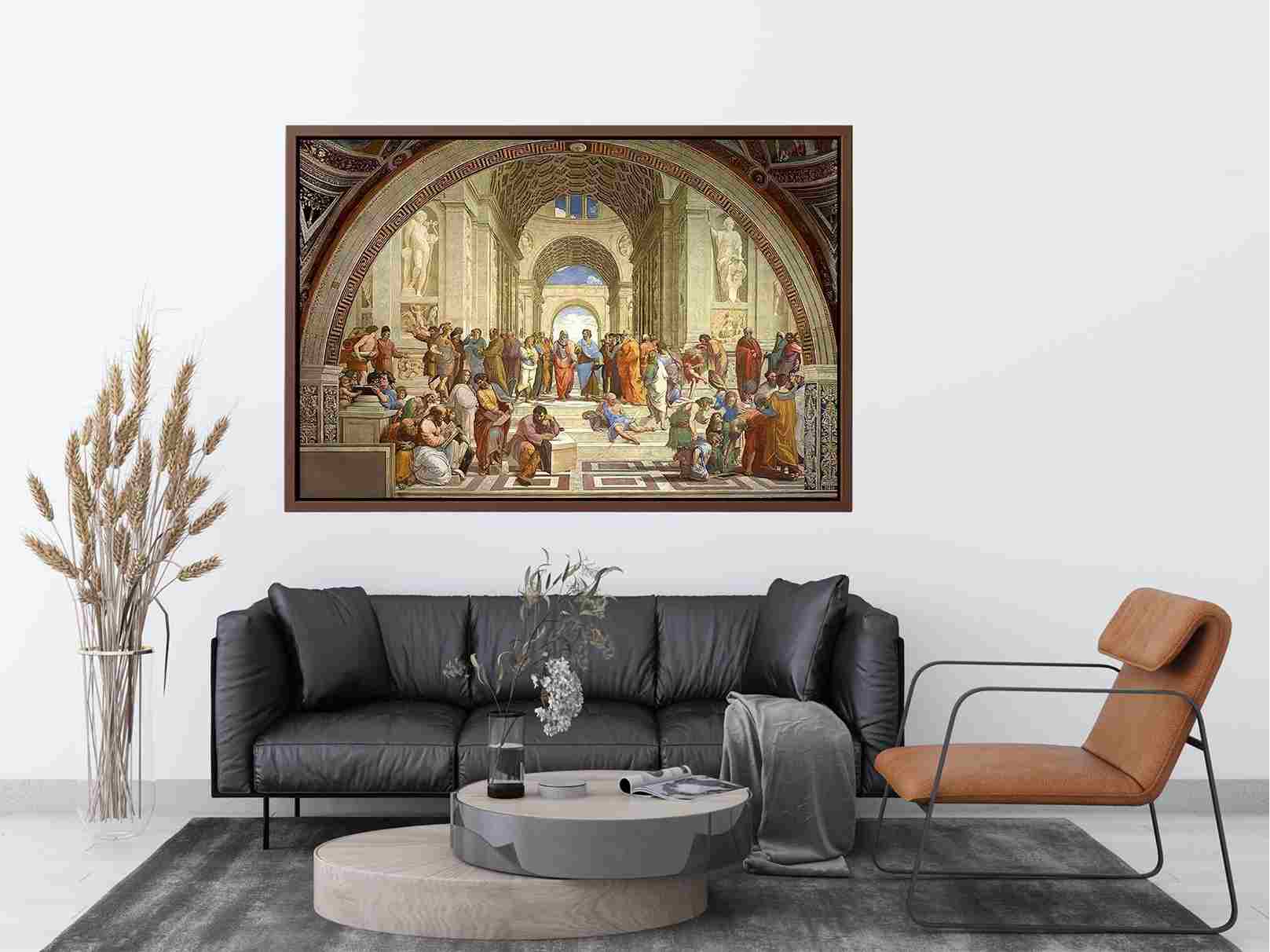
The School of Athens Painting by Raphael


The Last Supper Painting

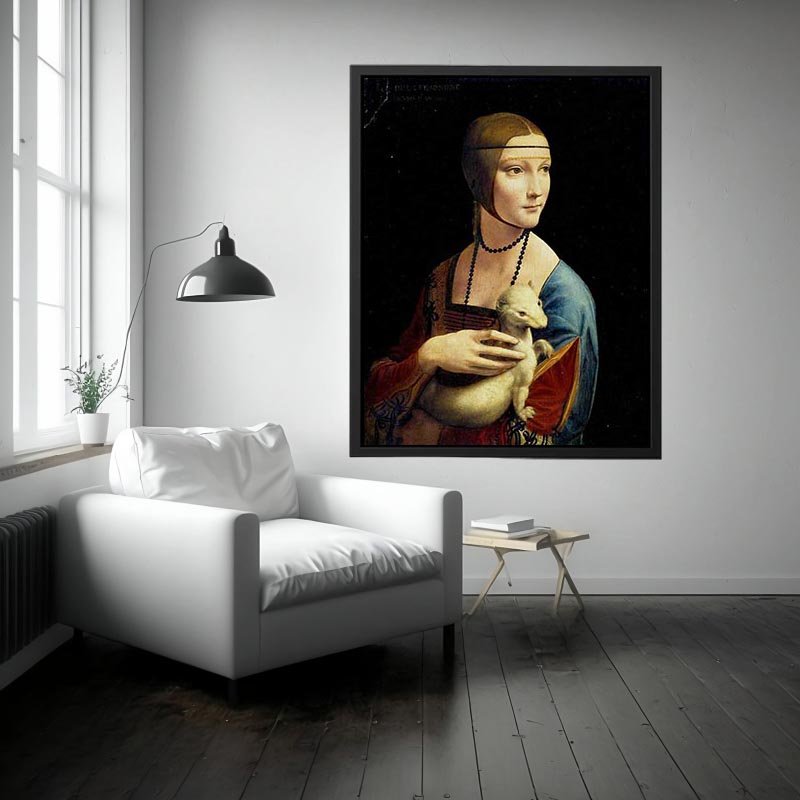
Lady with an Ermine ( Portrait of Cecilia Gallerani ) by Leonardo Da Vinci

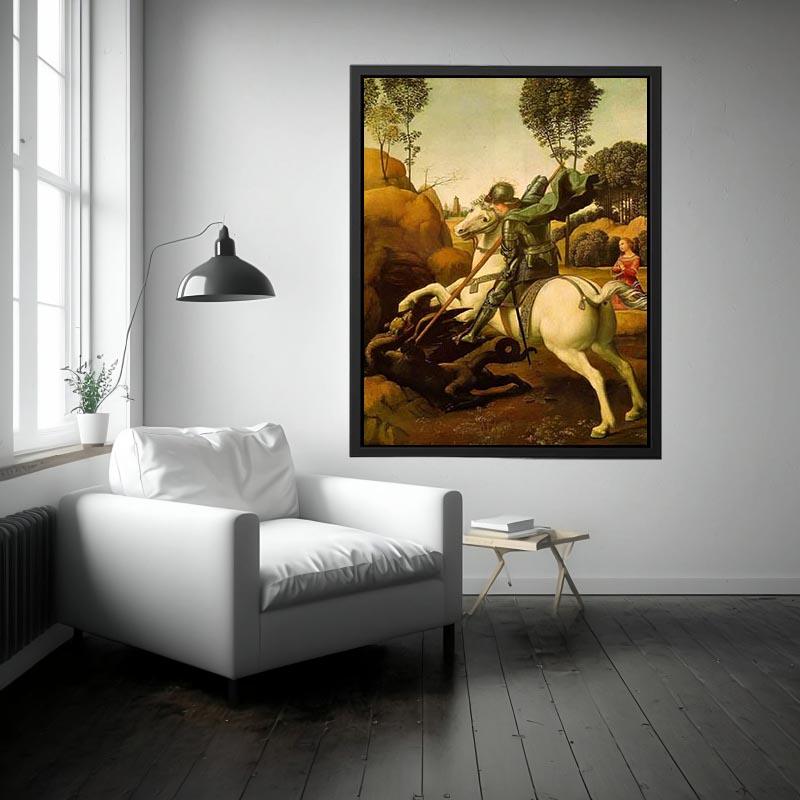
Saint George and the Dragon by Raphael

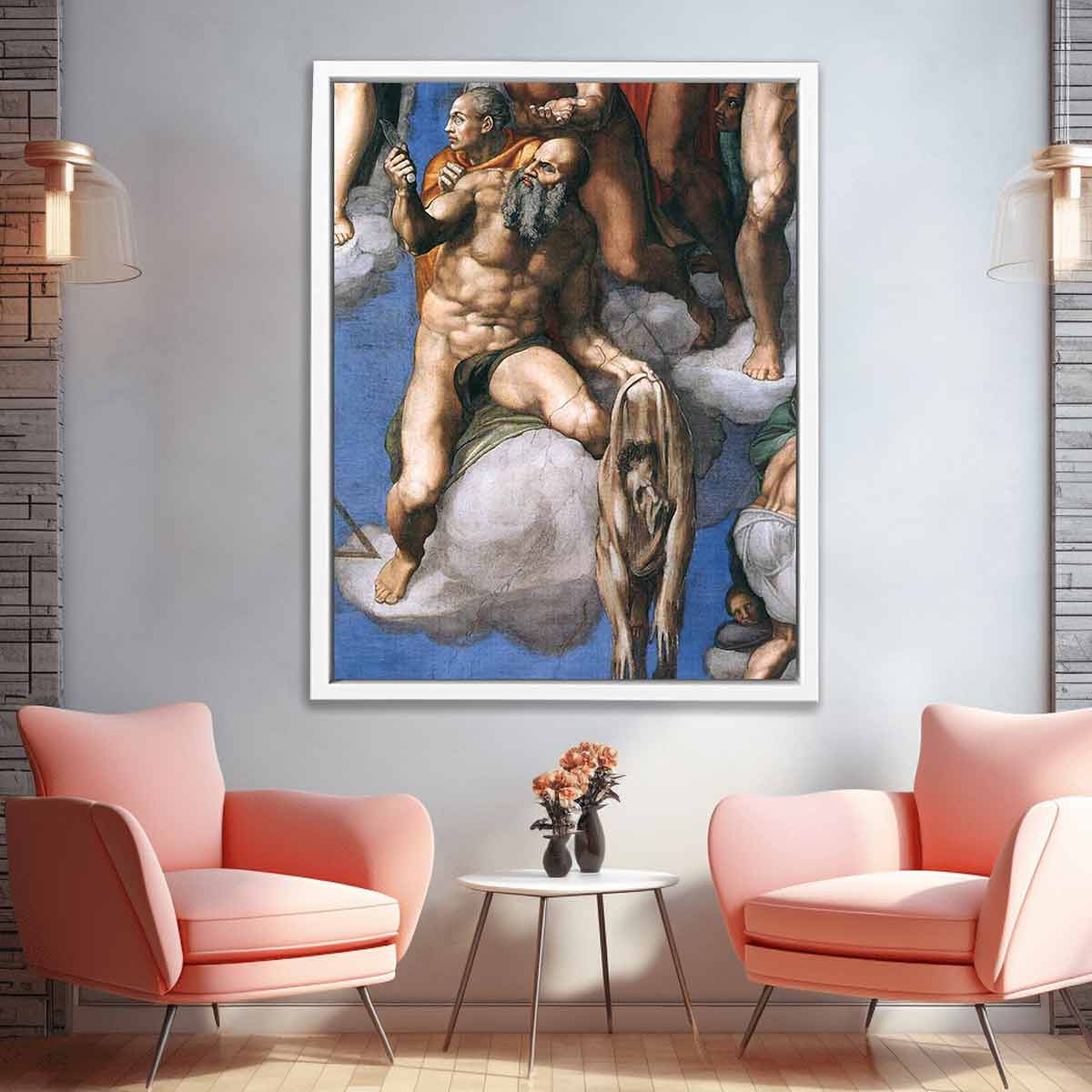
Last Judgment (detail-3) 1537-41

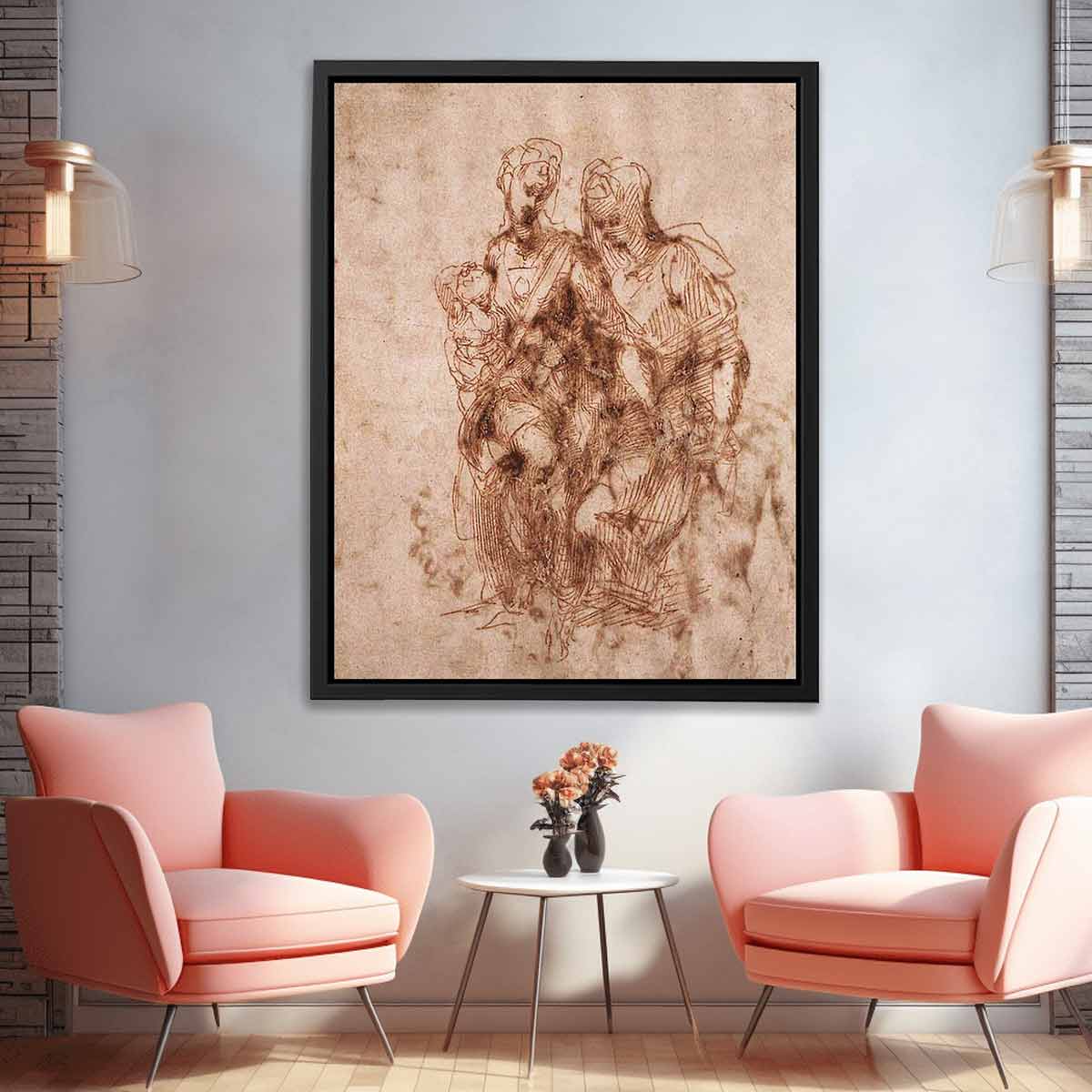
St Anne with the Virgin and the Christ Child c. 1505

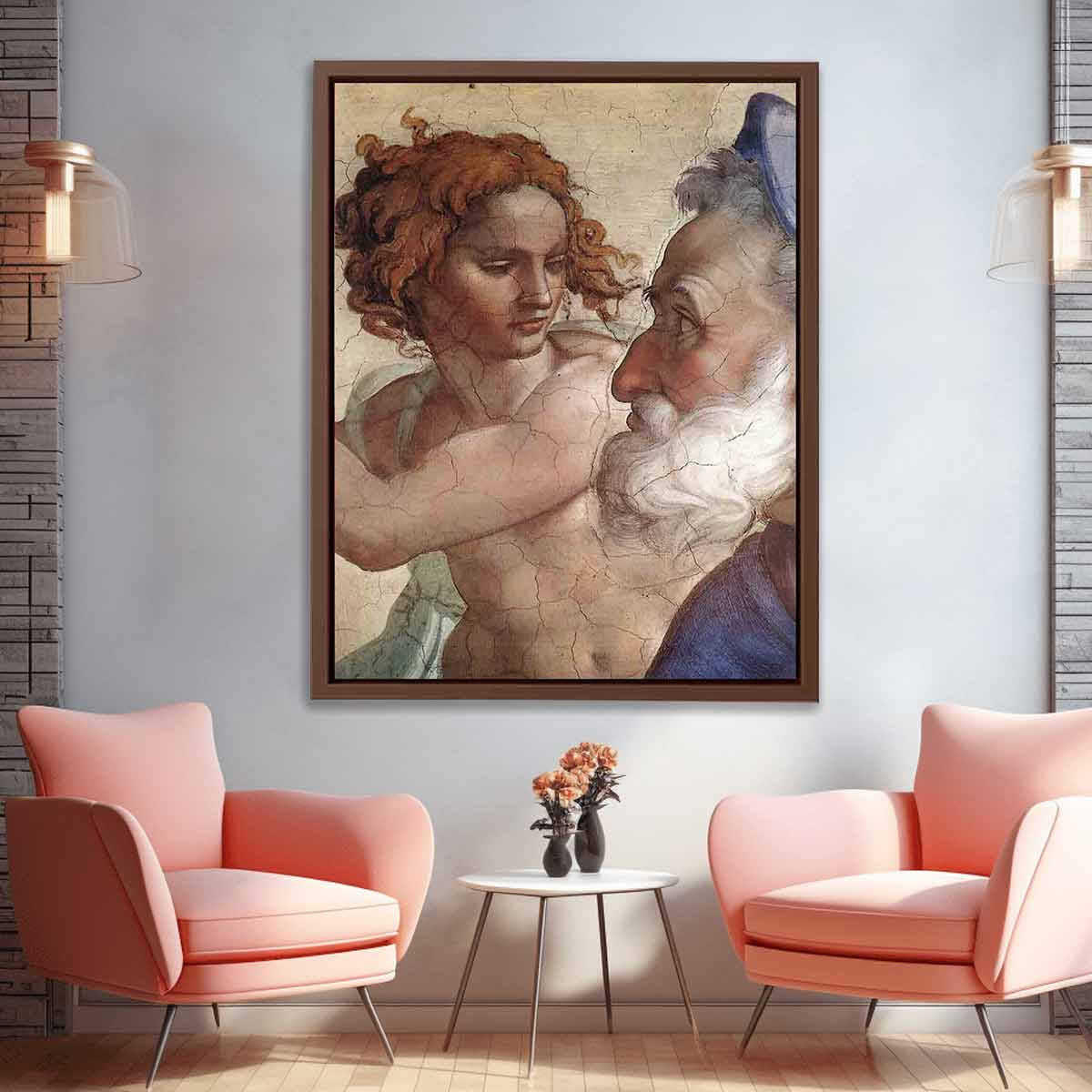
Ezekiel (detail-2) 1510
![David [detail] I](http://www.canvasartprints.com.au/cdn/shop/files/FA-MAB-36-main_c7144635-4b24-4a0e-812b-49f7605be30a.jpg?v=1711355144&width=1200)
![David [detail] I](http://www.canvasartprints.com.au/cdn/shop/files/FA-MAB-36-mockup-1.jpg?v=1711355144&width=1200)
David [detail] I

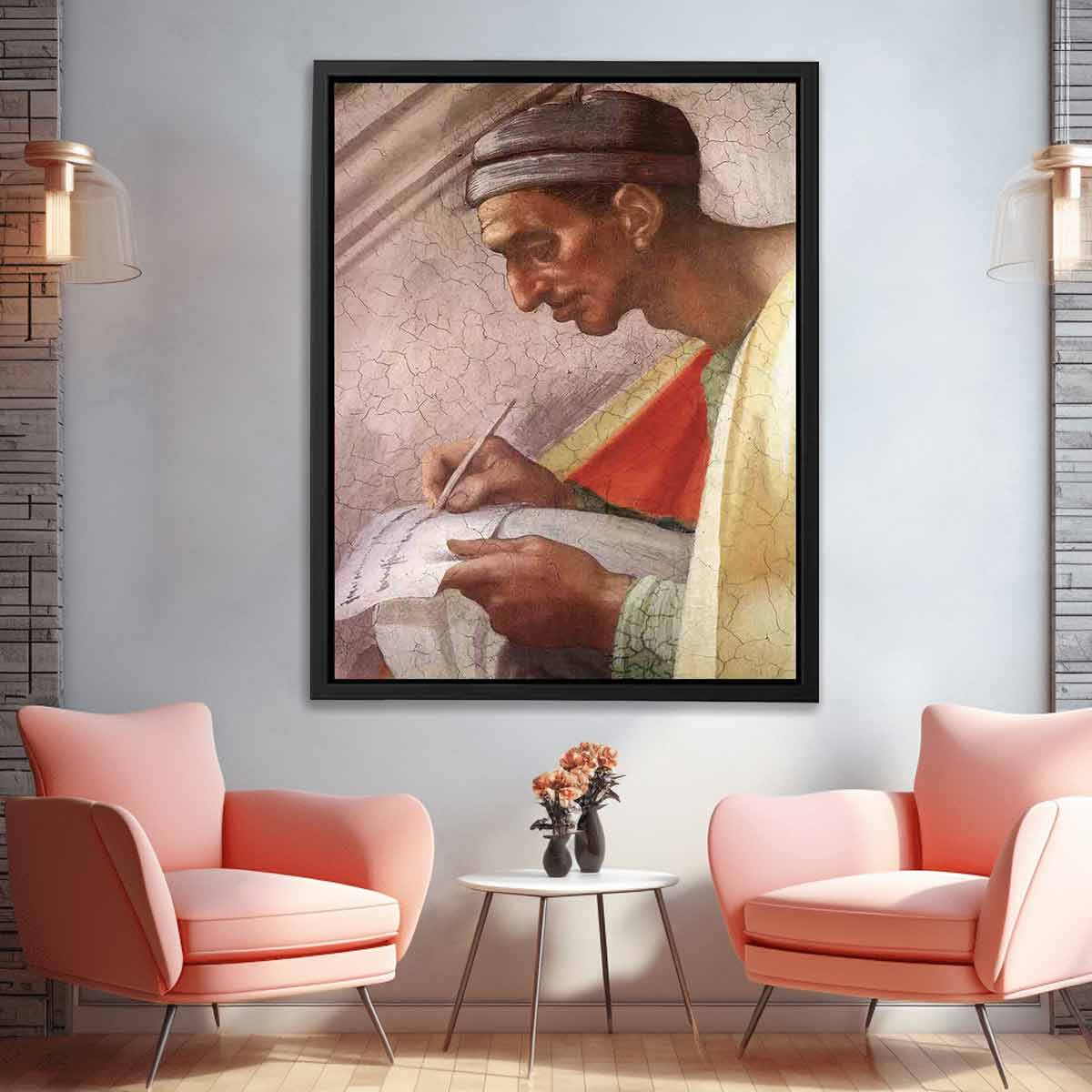
Asa - Jehoshaphat - Joram (detail -1) 1511-12

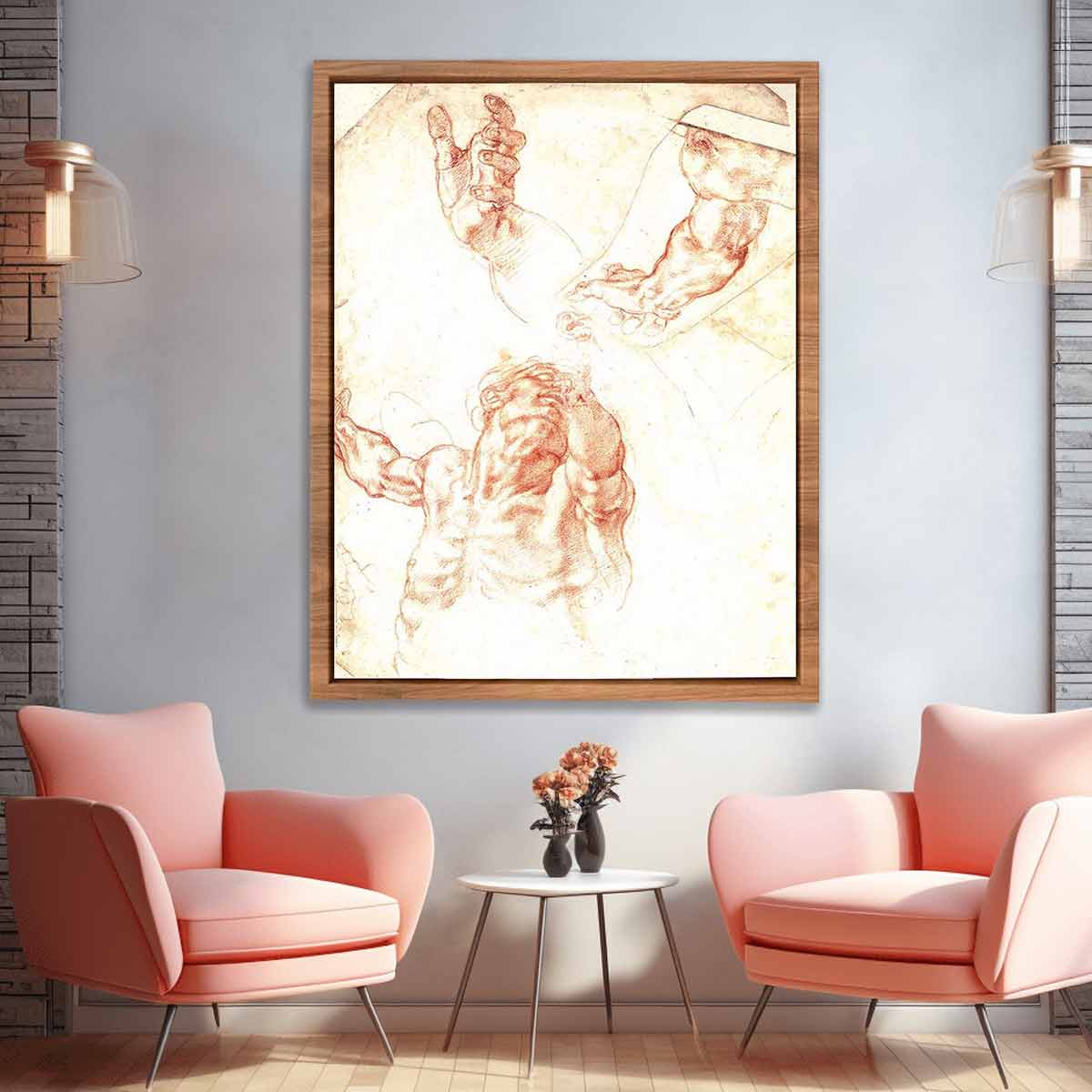
Study for Haman 1511

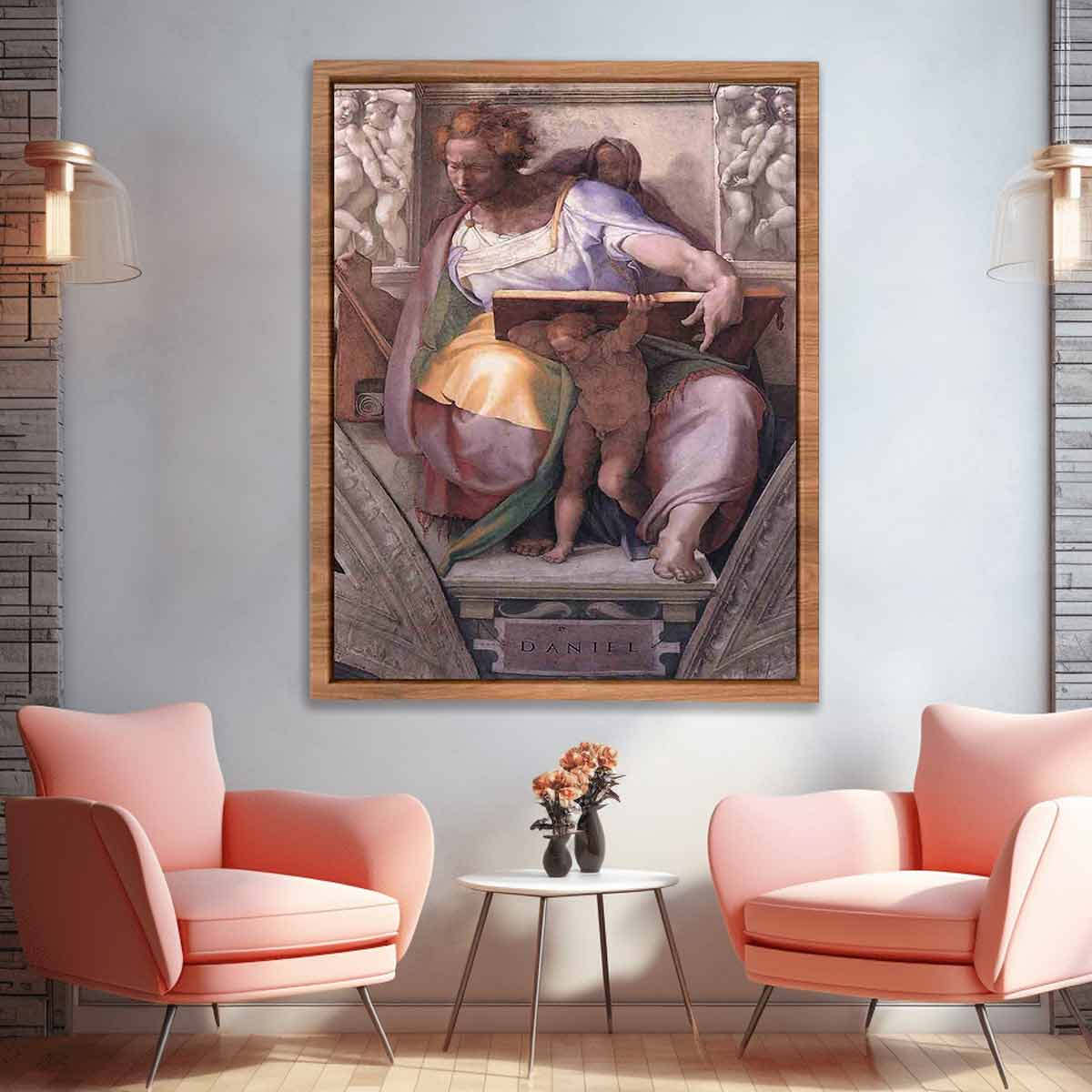
Daniel 1511

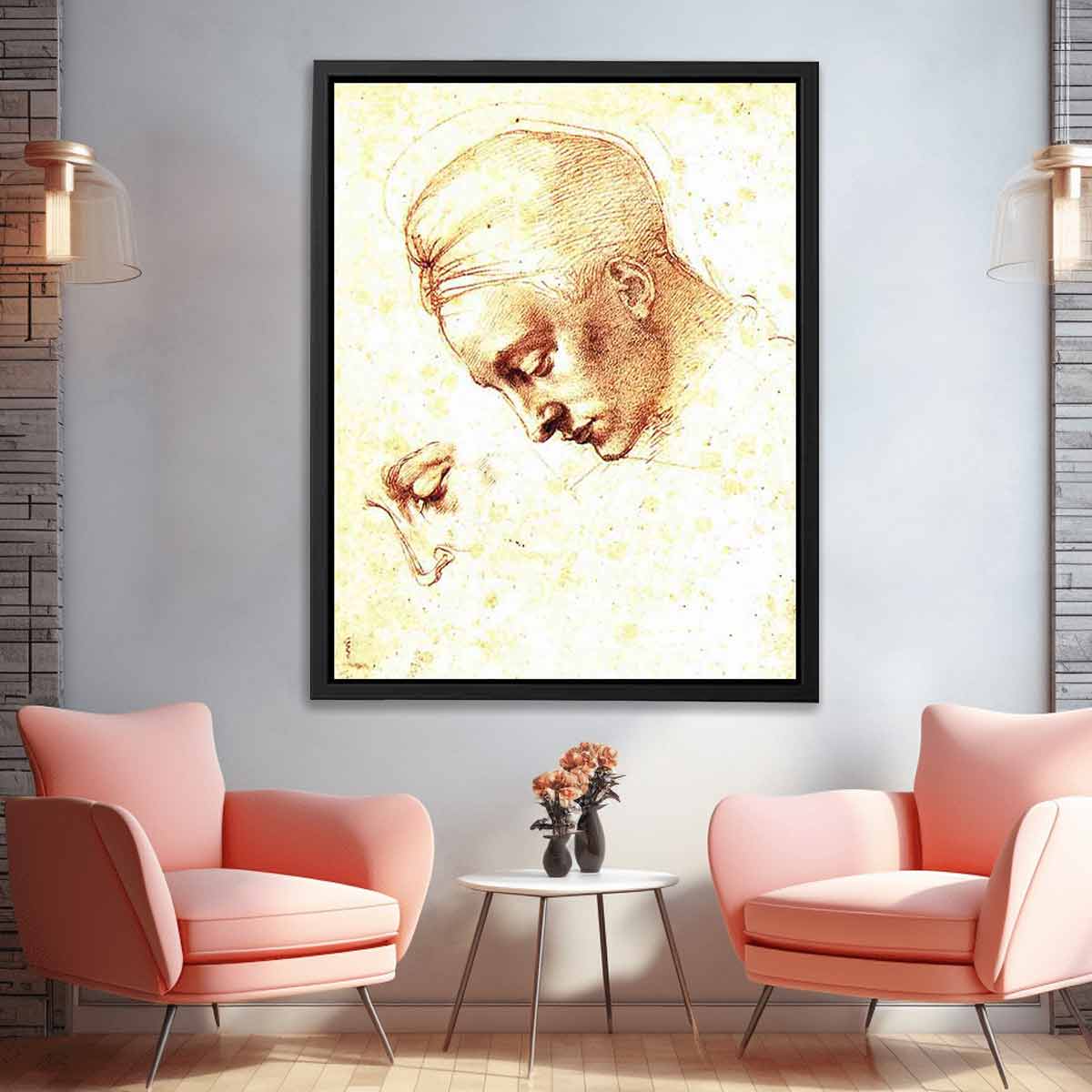
Study of a Head c. 1530

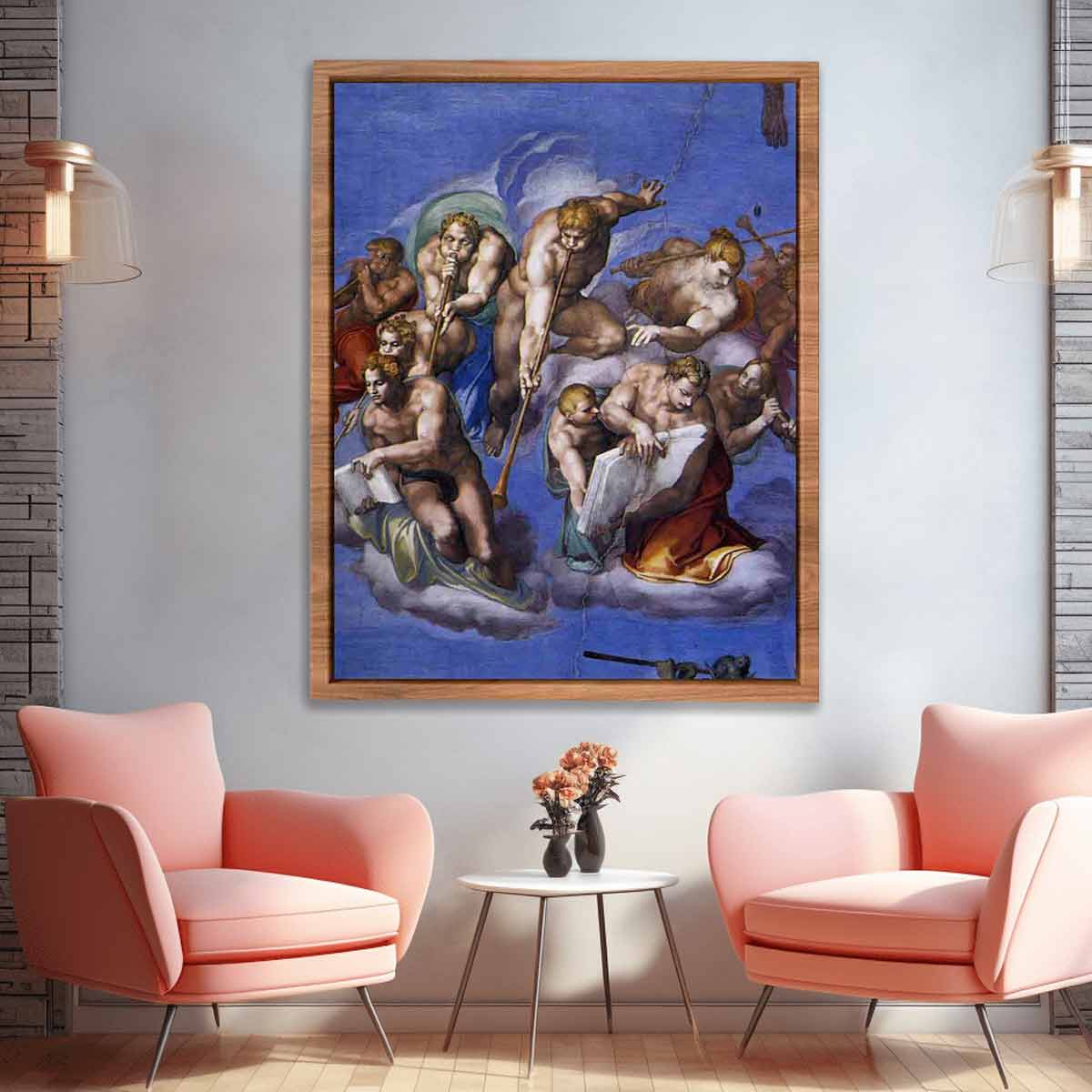
Last Judgment (detail-5) 1537-41

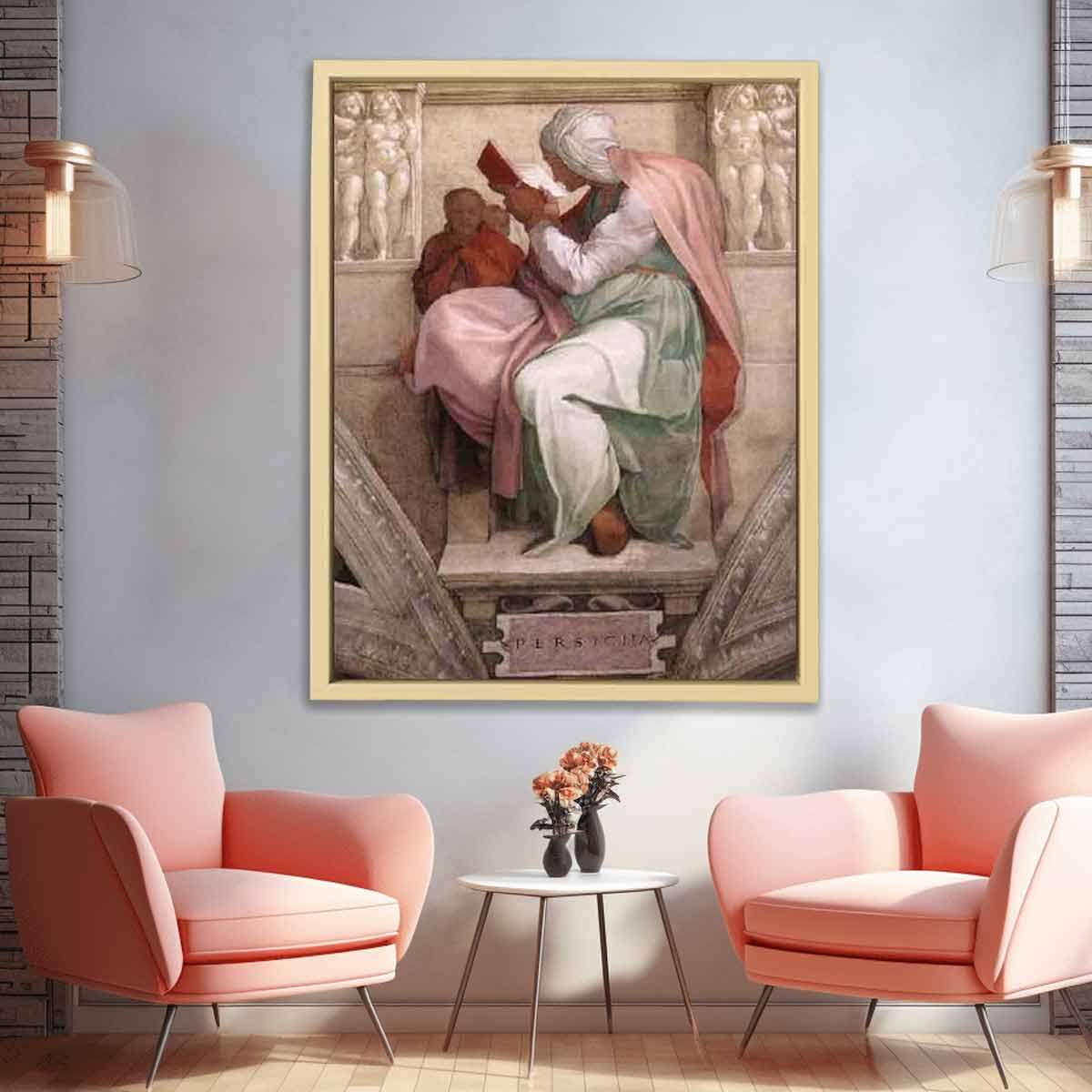
The Persian Sibyl 1511

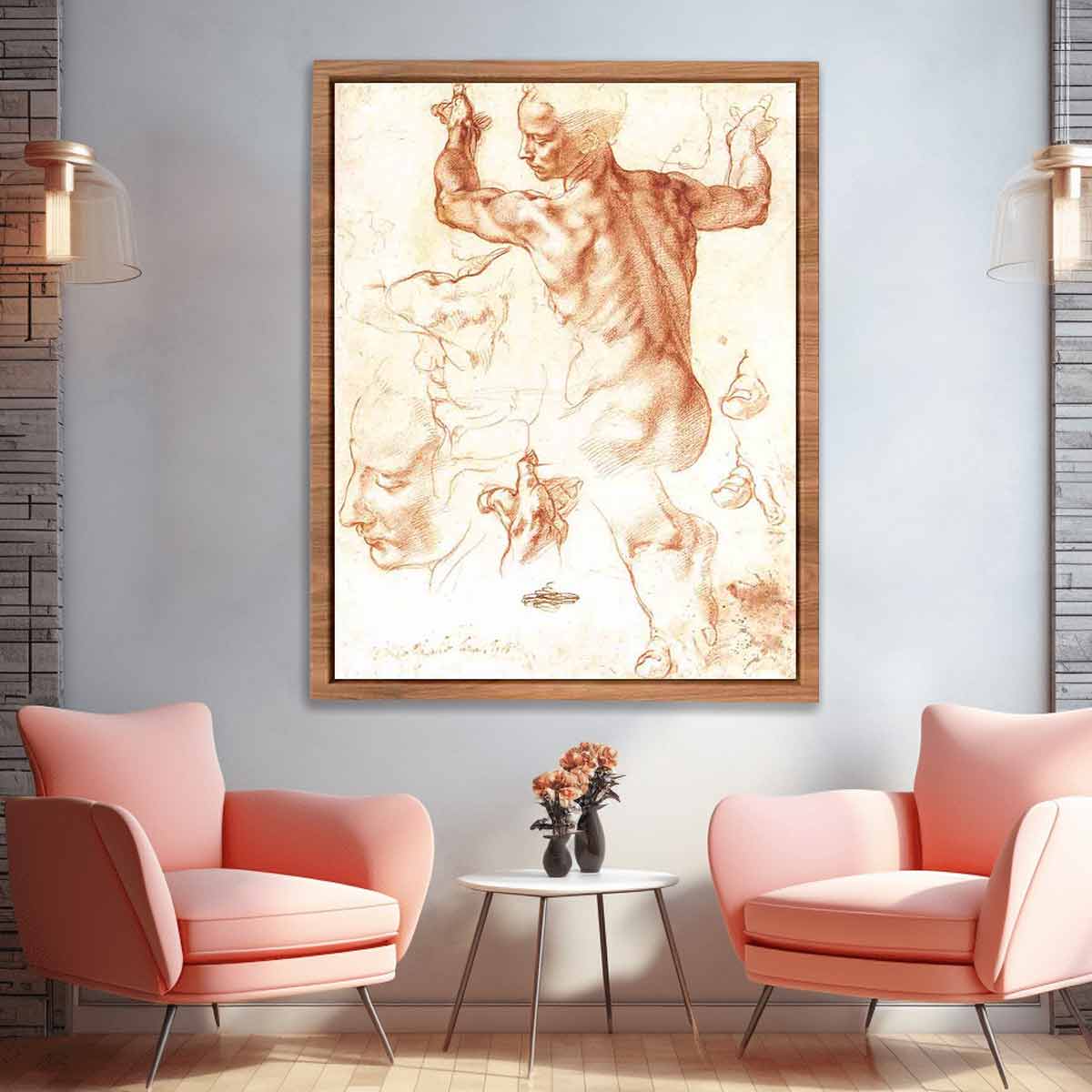
Study for the Libyan Sibyl 1511

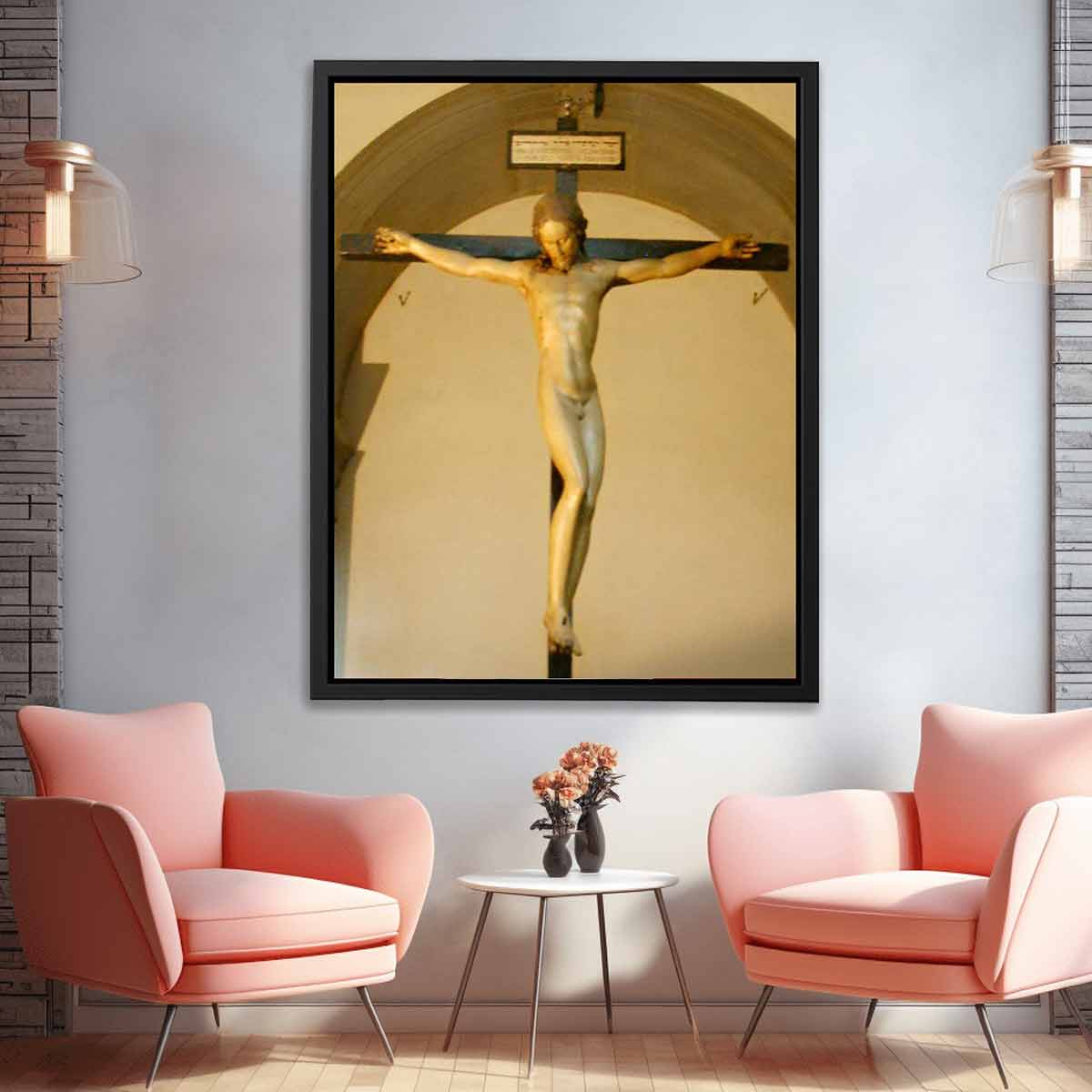
Crucifix

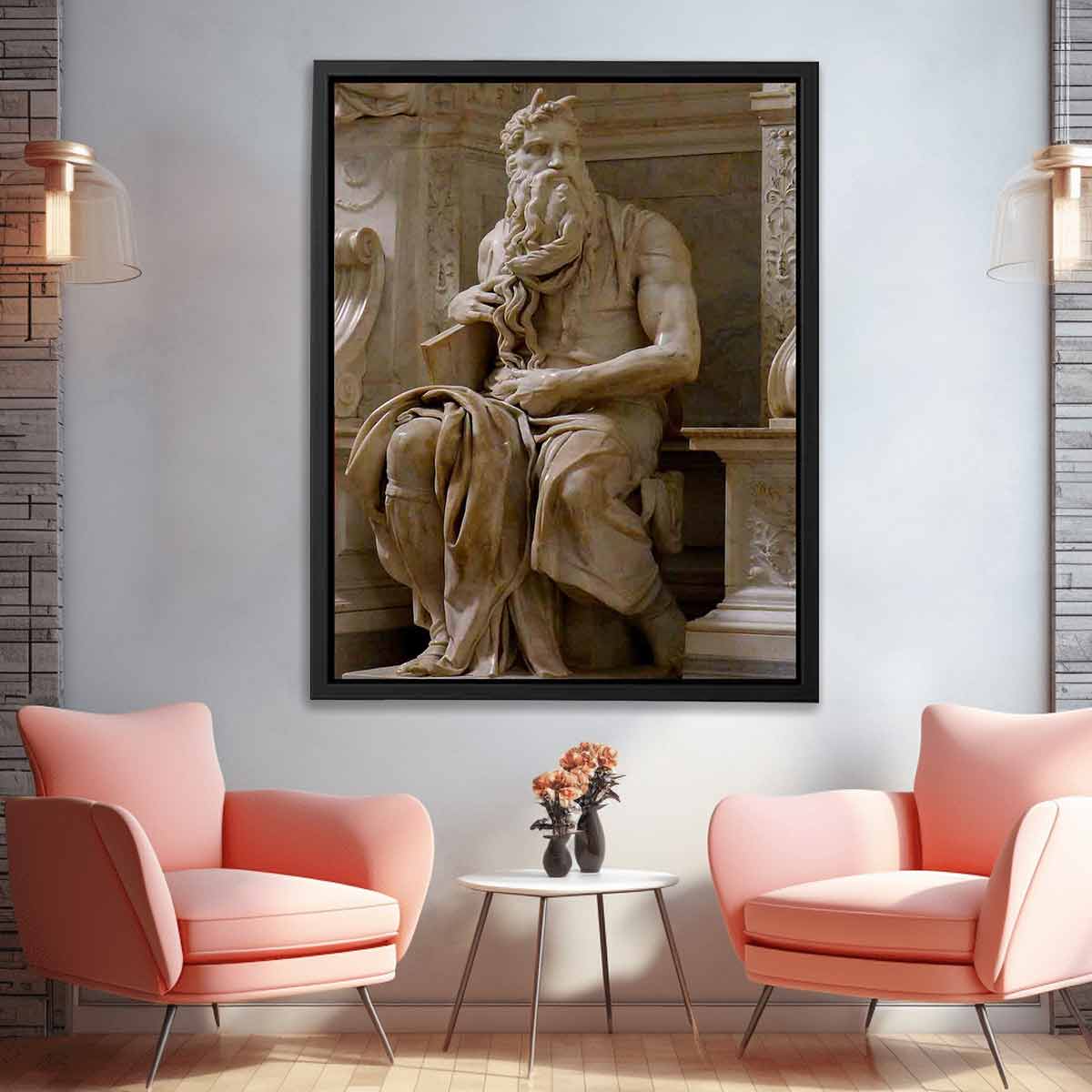
Tomb of Pope Julius II: Moses

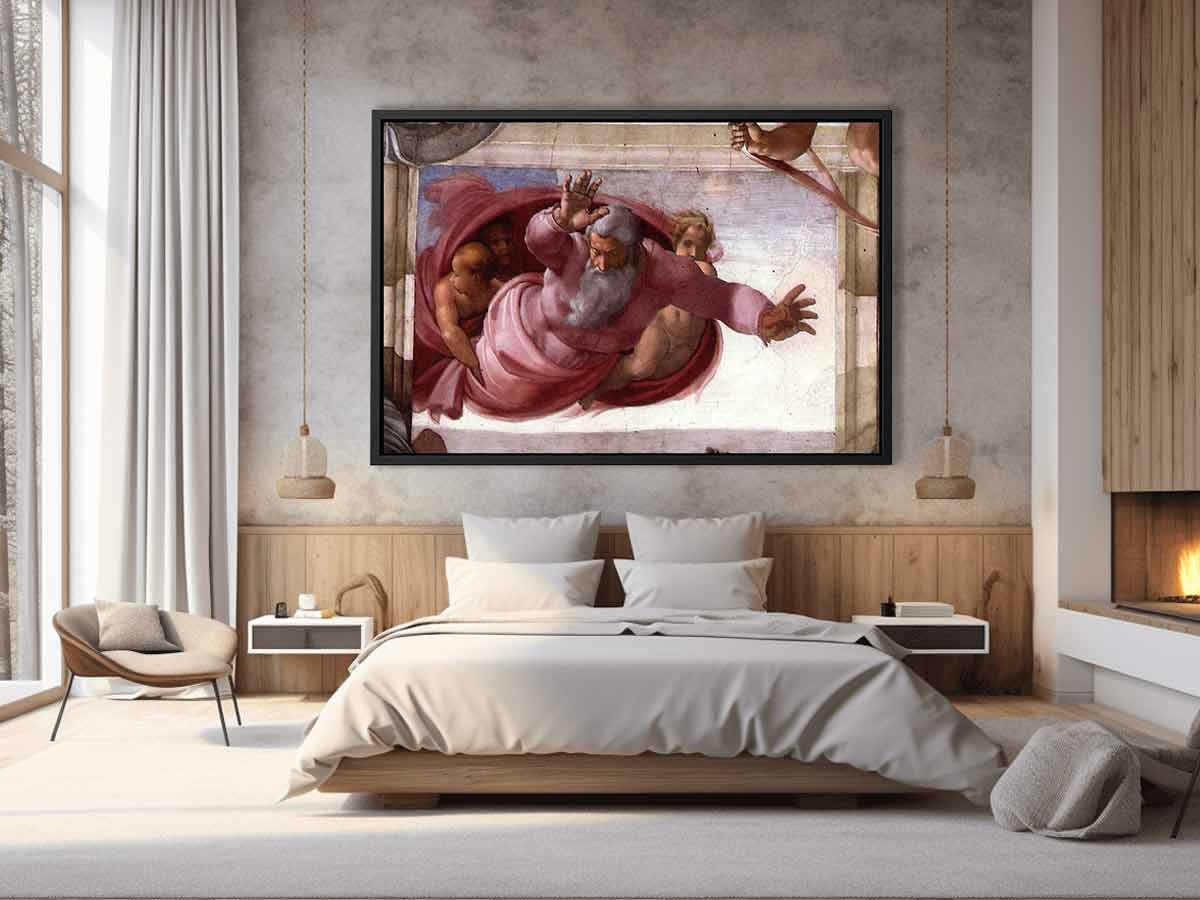
Separation of the Earth from the Waters 1511

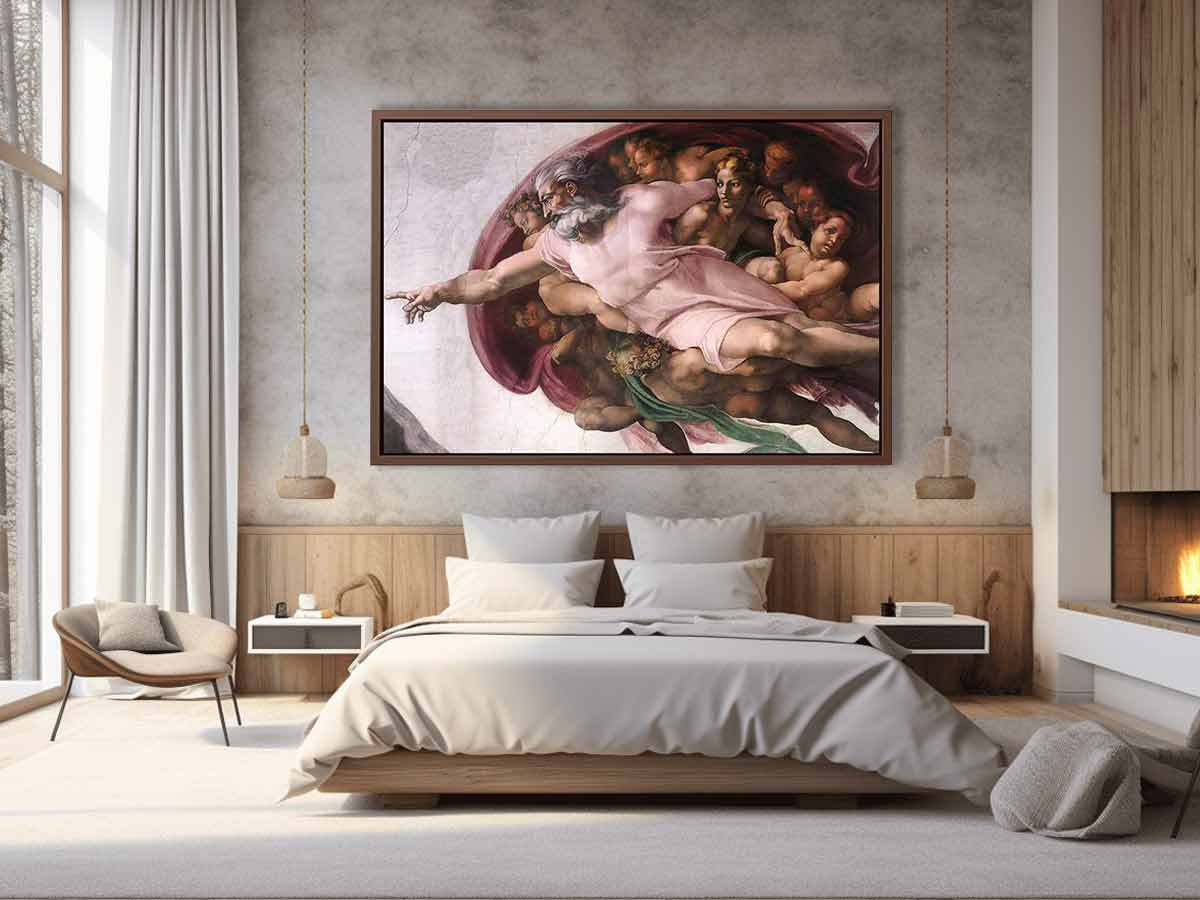
Creation of Adam (detail-2) 1510

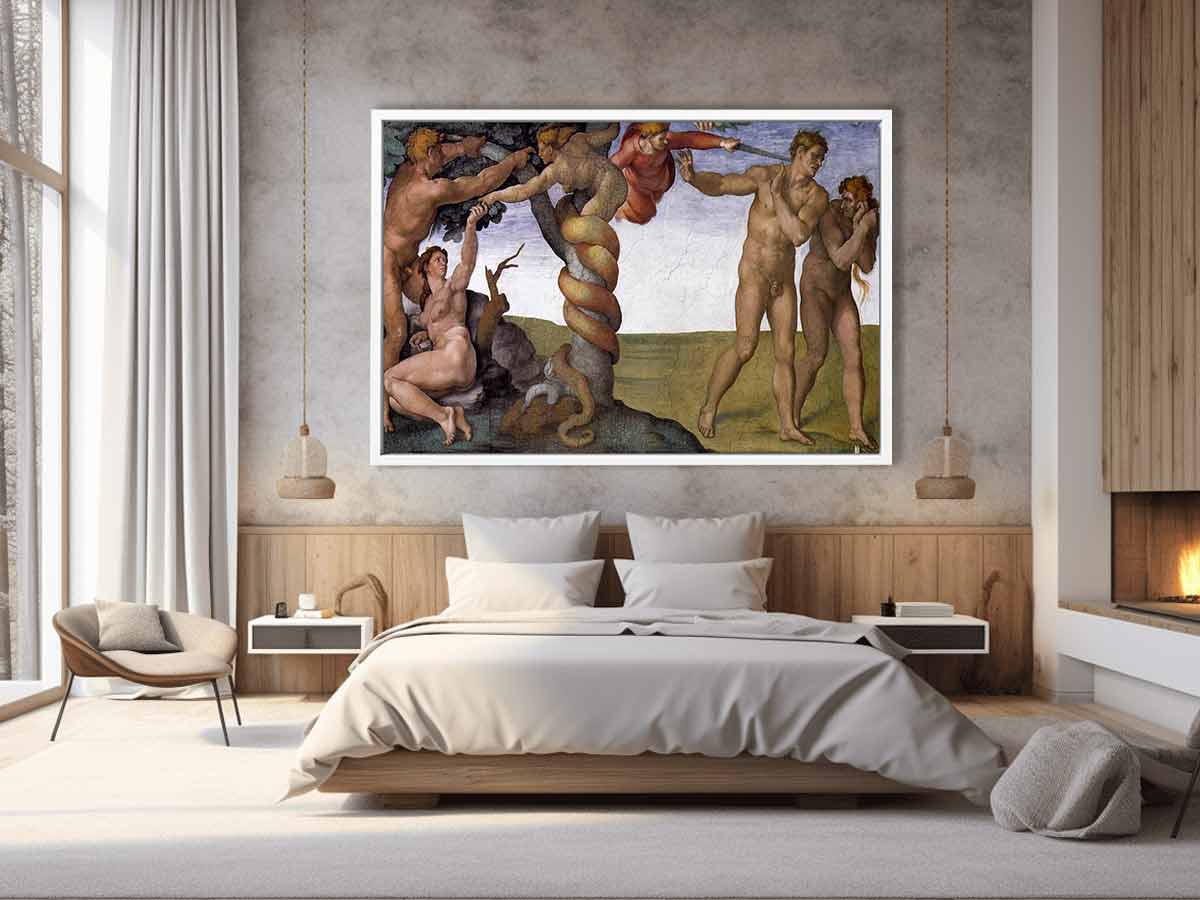
The Fall and Expulsion from Garden of Eden 1509-10

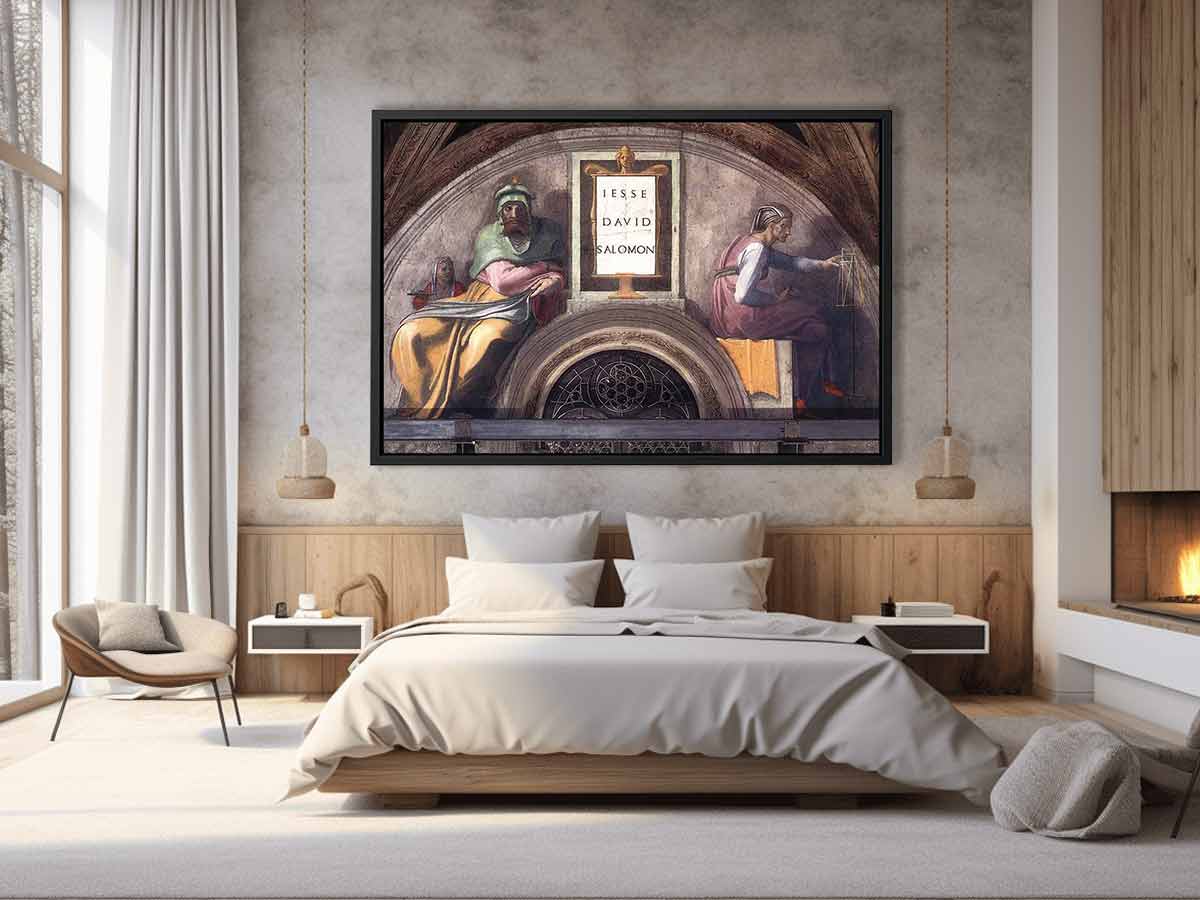
Lunette XI Jesse David And Solomon Sistine Chapel

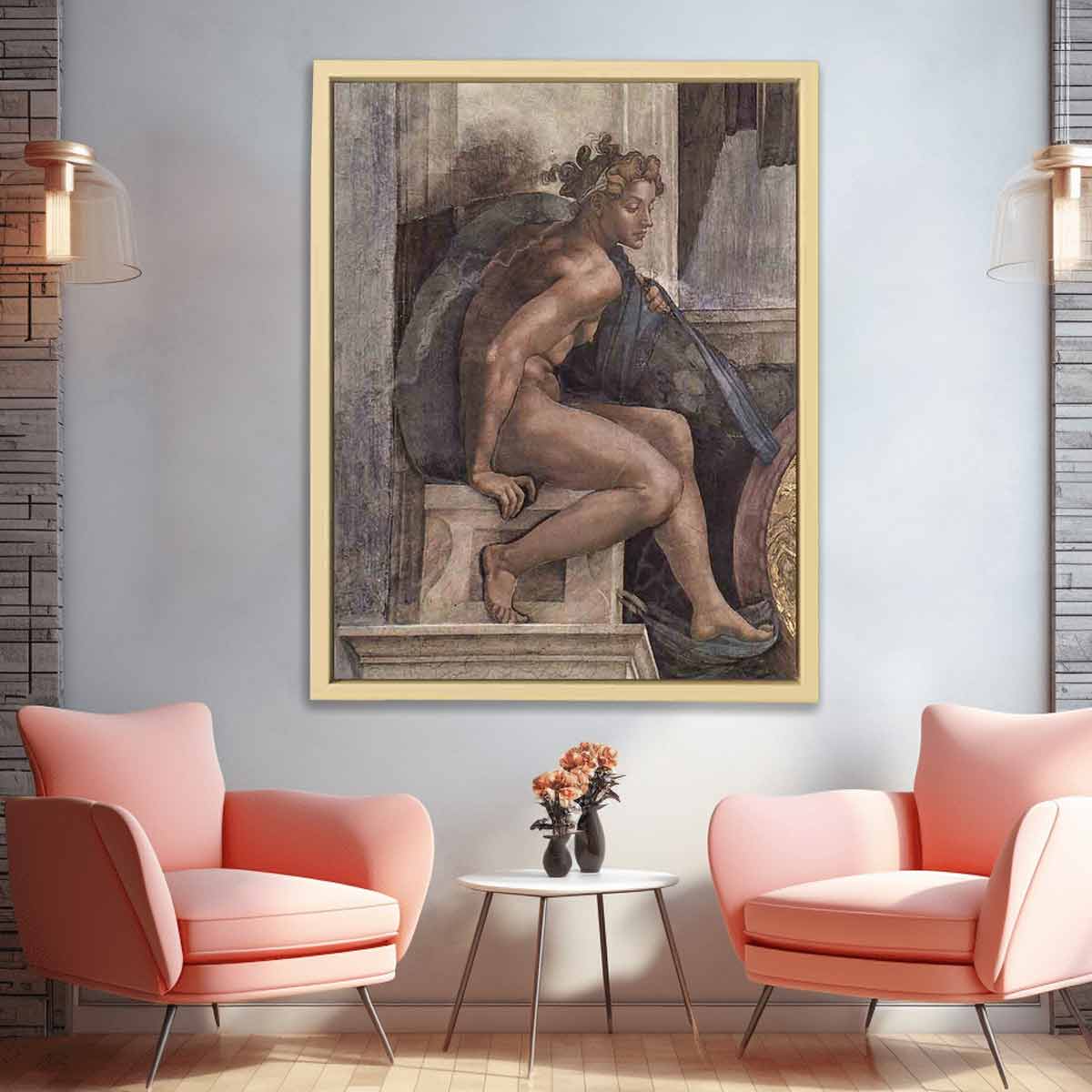
Nude Youth

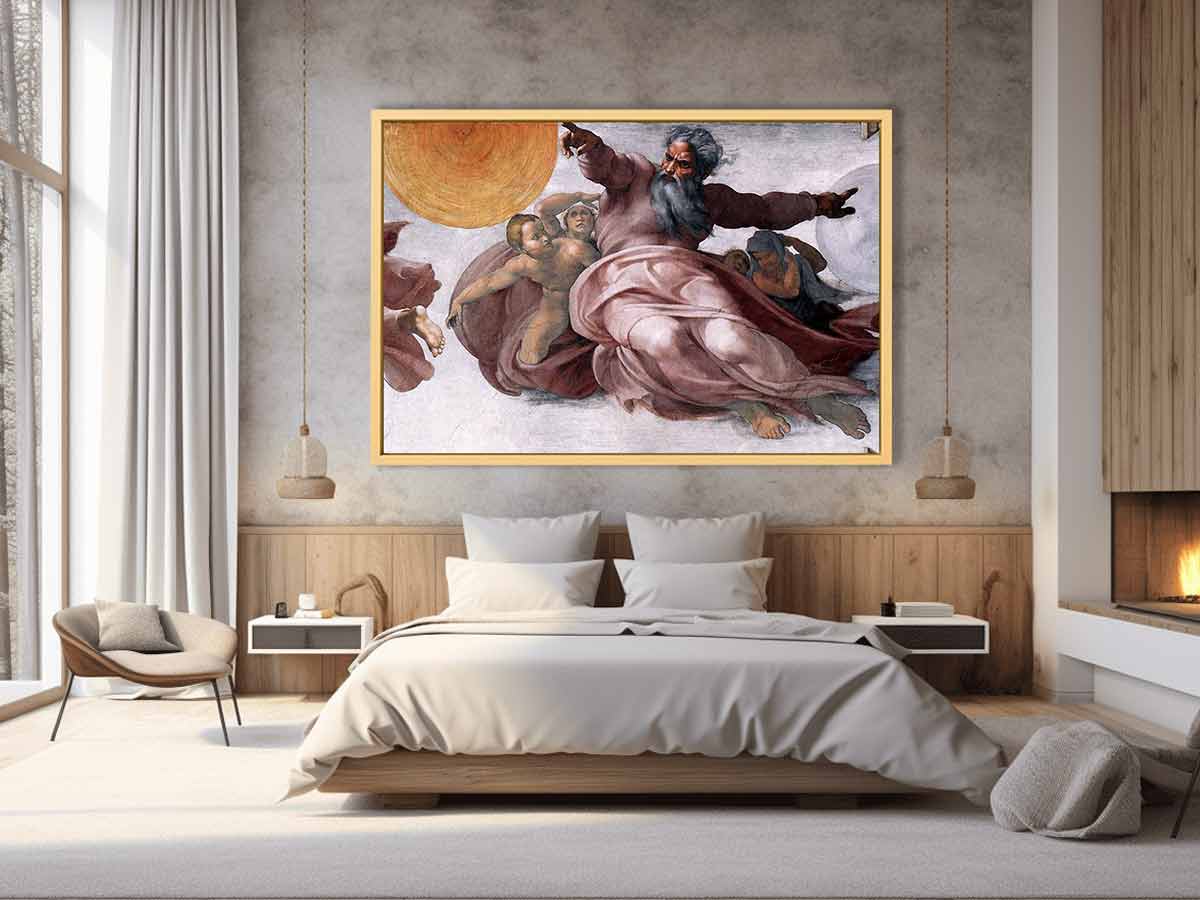
The Creation of the Heavens (detail) 1508-12

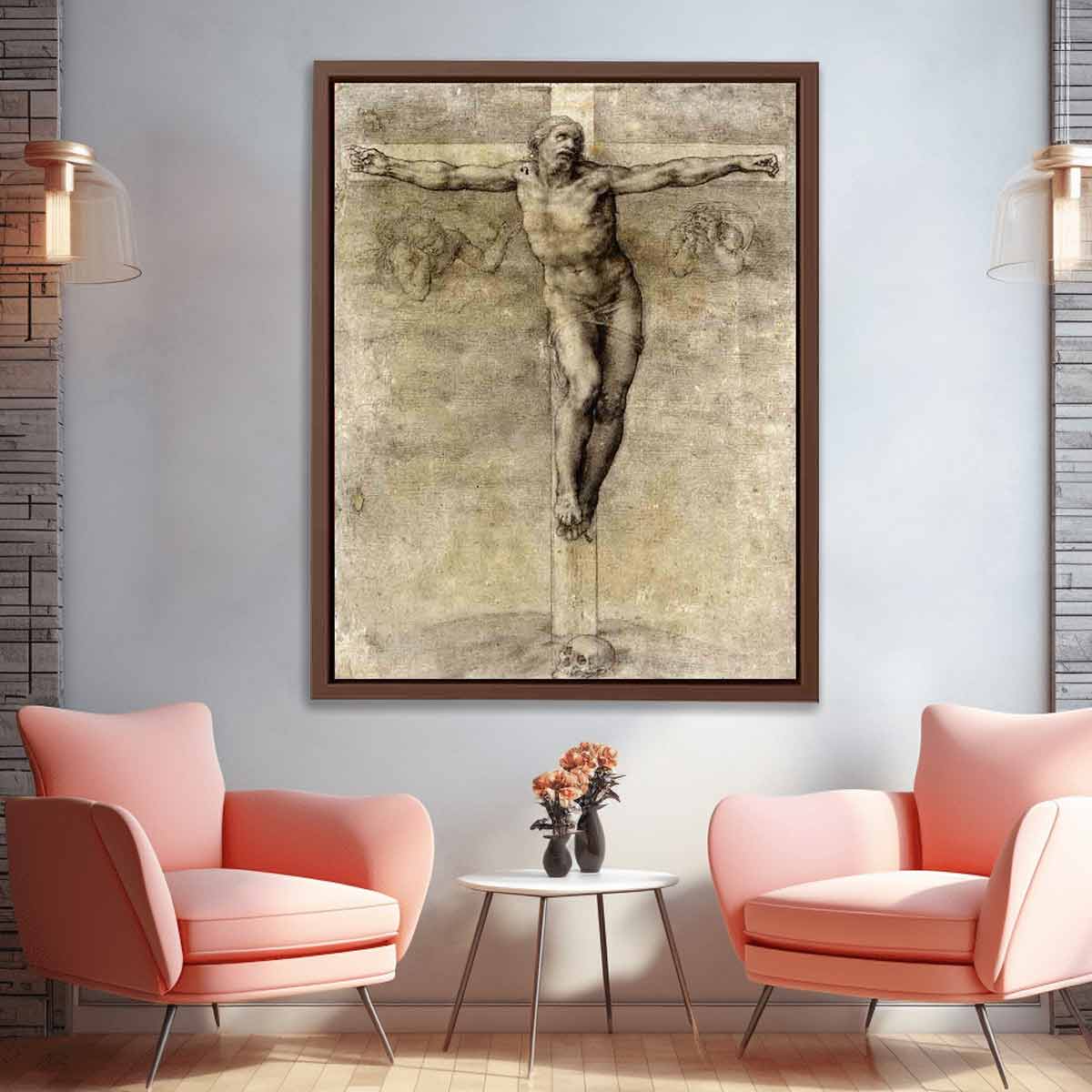
Christ On The Cross 1541

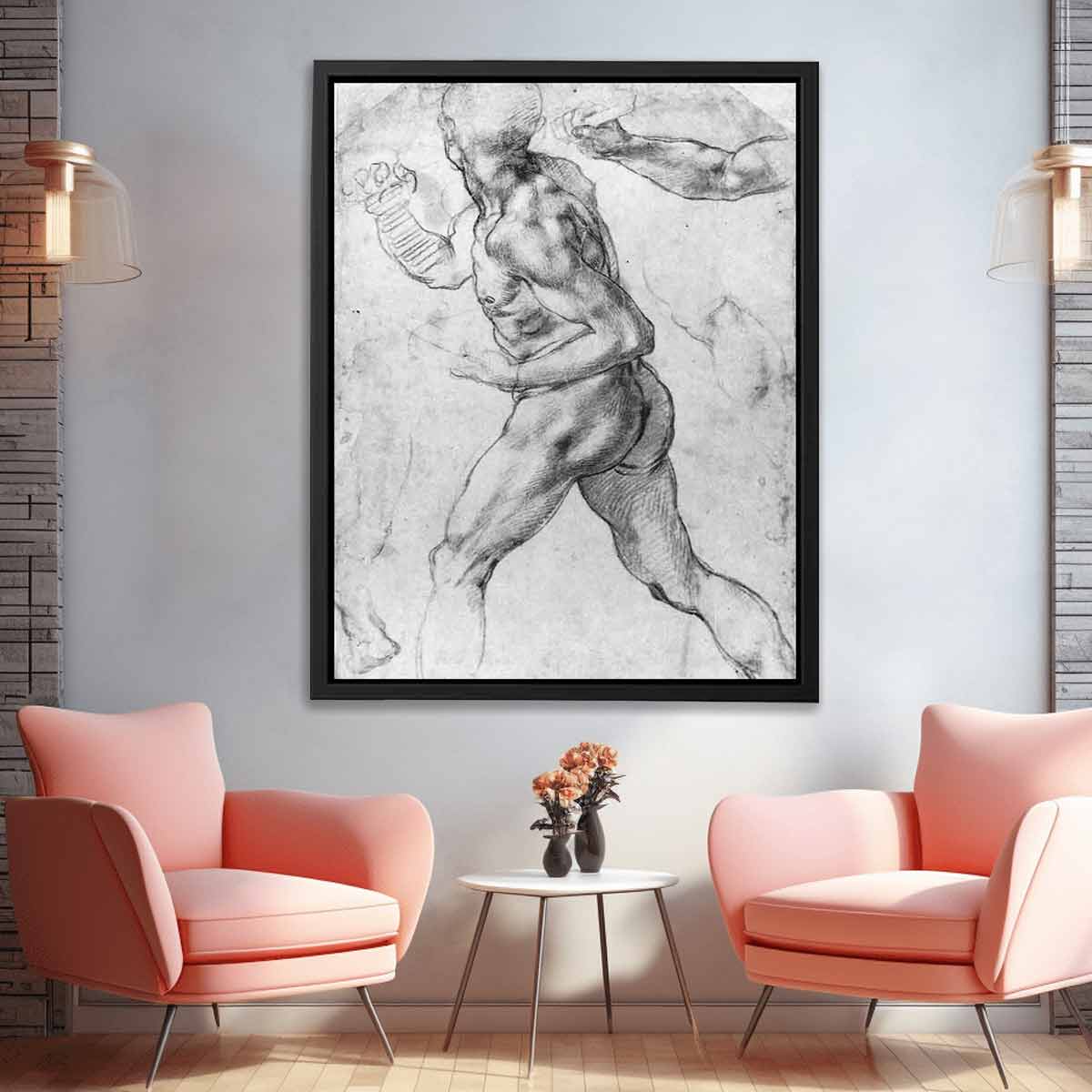
Male Nude 1505

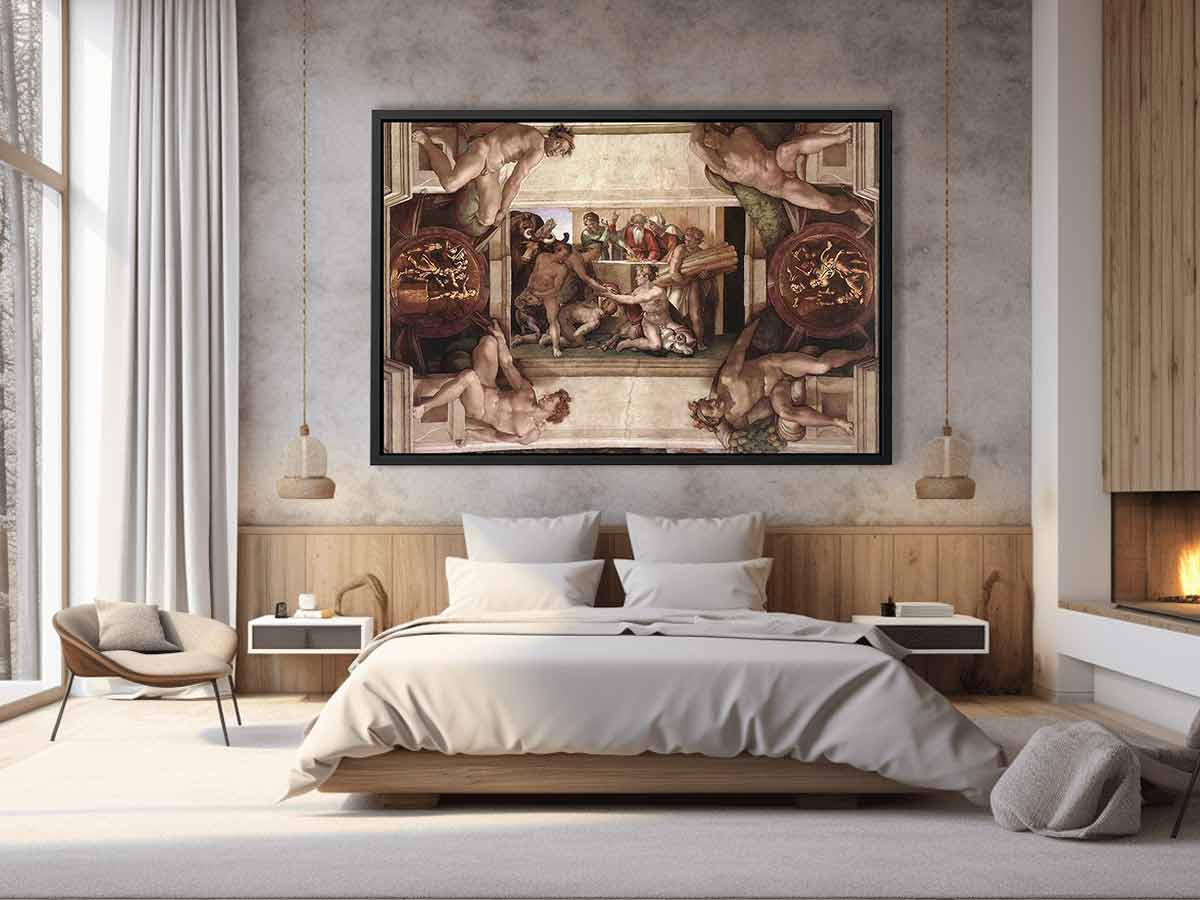
Sacrifice of Noah 1509

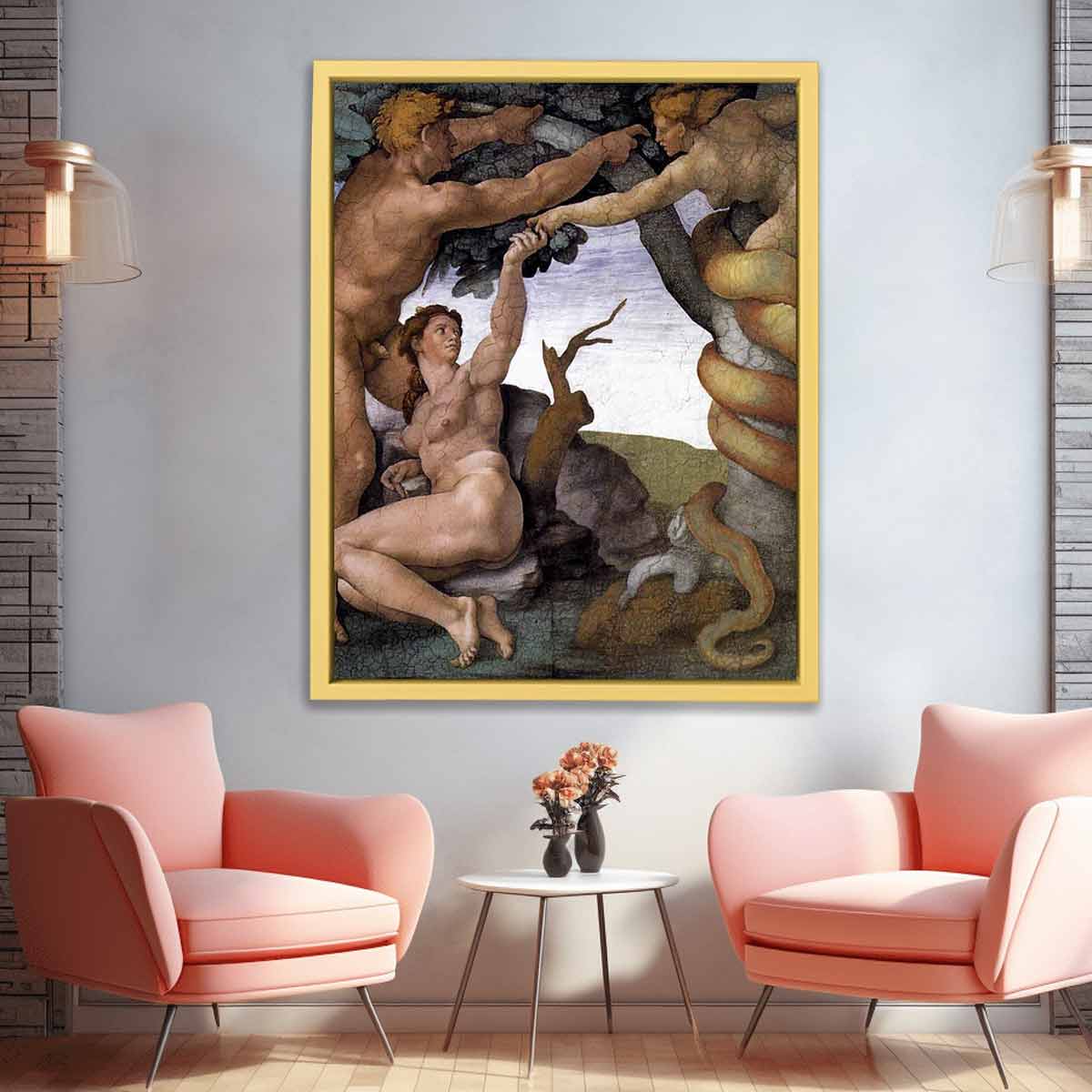
Ceiling Of The Sistine Chapel Genesis The Fall And Expulsion From Paradise The Original Sin

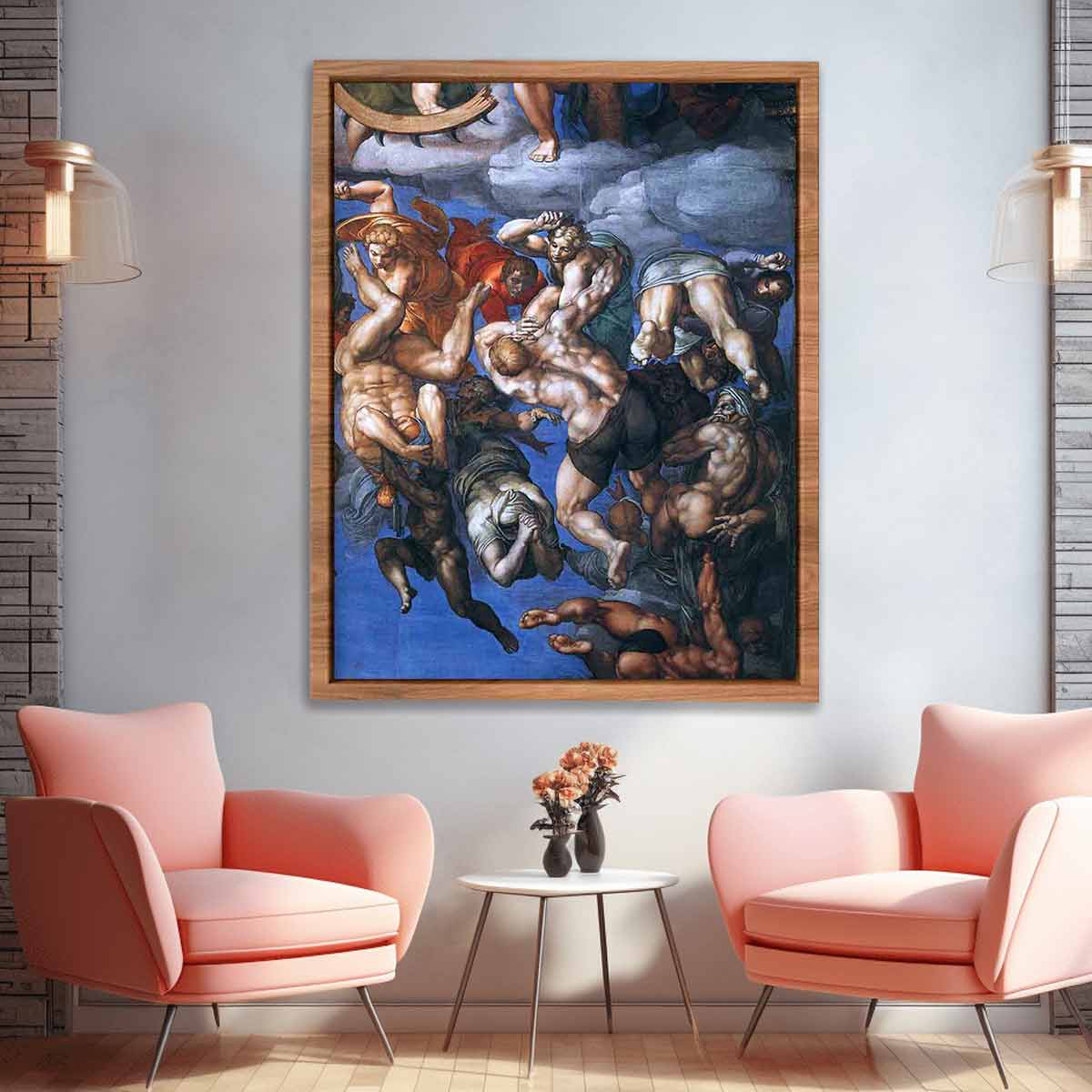
Last Judgment (detail-23) 1537-41
Exploring Renaissance Art Paintings : Key Characteristics and Influential Artists
Introduction to the Renaissance
The Renaissance period, which spanned from the 14th to the 17th century, was a transformative art movement that reshaped European culture and creativity, marked by the revival of classical learning and the emergence of new artistic techniques.
The term “Renaissance” comes from the French word “renaissance,” meaning “rebirth,” and is characterized by an increased awareness of nature, classical antiquity, and an individualistic view. The combined influences of classical learning, nature, and individualism played a crucial role in shaping the period.
This period saw the rise of influential artists such as Leonardo da Vinci, Michelangelo, and Raphael, who would go on to shape the course of art history and resnaissance art paintings.
The Renaissance marked a significant shift from the medieval period. However, this shift was not an abrupt break; rather, it was a gradual transition, as interest in humanism, nature, and individualism already existed before the Renaissance, suggesting continuity between the medieval and modern eras. During this time, artists began to explore new techniques and approaches, focusing on human anatomy, perspective, and realism in their work.
The Italian Renaissance, in particular, was a hub of artistic innovation, with cities like Florence and Venice producing some of the most iconic works of the period.
Historical Context of the Italian Renaissance
-
The Italian Renaissance was a time of great cultural and economic transformation, with the rise of wealthy merchant cities like Florence, Italy and Venice. Florence Cathedral, especially Brunelleschi's dome, stands as a remarkable example of architectural innovation during this period.
-
The Medici family, who were powerful bankers and politicians, played a significant role in sponsoring and promoting the arts, with notable figures like Lorenzo de Medici supporting artists like Sandro Botticelli and Michelangelo. Lorenzo Ghiberti gained prominence in the fifteenth century for his victory in the 1401 competition to design the Florence Baptistery doors, which became a landmark of Renaissance sculpture.
-
The Early Renaissance began in the fifteenth century and was characterized by a renewed interest in classical learning, with artists and scholars drawing inspiration from ancient Greek and Roman texts. Giotto, a renowned Florentine painter, contributed to the development of naturalistic painting, paving the way for later Renaissance artists.
-
The period also saw significant advances in artistic techniques, with the development of oil paint, tempera paintings, and linear perspective. Distinctive styles also emerged in northern Italy, reflecting regional diversity within the broader Renaissance movement.
-
Italian Renaissance art had a profound impact on European history, with its artistic and cultural innovations spreading throughout the continent.
Early Renaissance Art
-
Early Renaissance art, which emerged in the 15th century, was characterized by a focus on realism, human anatomy, and perspective.
-
Painters like Jan van Eyck and Hugo van der Goes pioneered the use of oil paint, creating highly detailed and realistic works. Their notable works, such as van Eyck's "Arnolfini Portrait" and van der Goes' "Portinari Altarpiece," exemplify the technical mastery and innovation of the period.
-
The Early Renaissance saw the rise of notable artists like Leonardo da Vinci, who began to experiment with new techniques and mediums. Other artists were influenced by Leonardo's innovations, adopting his approaches and further advancing Renaissance art.
-
The period also saw the emergence of a new style, with the development of the “International Gothic” style, characterized by intricate detail and ornamentation.
-
The Early Renaissance laid the groundwork for the High Renaissance, which would see the creation of some of the most iconic renaissance paintings of the period.
High Renaissance
The High Renaissance, unfolding in the early 16th century, represents a pinnacle of artistic achievement within the Italian Renaissance. This period was marked by a remarkable shift toward realism and a conscious move away from the rigid formalism that characterized the Middle Ages. Renaissance artists such as Leonardo da Vinci, Michelangelo, and Raphael became renowned for their technical virtuosity, innovative approaches, and mastery of new techniques like sfumato and chiaroscuro, which brought unprecedented depth and emotion to their art.
A defining feature of the High Renaissance was its deep engagement with classical learning. Italian artists drew inspiration from ancient Greek and Roman culture, infusing their works with a sense of harmony, balance, and proportion that echoed the ideals of classical antiquity. This revival is evident in the way artists painted the human figure, capturing both anatomical accuracy and expressive individuality. The focus on humanism and individualism is especially clear in the era’s portraits and self-portraits, which reveal not only the physical likeness but also the inner character of their subjects.
One of the most iconic achievements of the High Renaissance is Michelangelo’s Sistine Chapel ceiling in Vatican City, painted between 1508 and 1512. This monumental work showcases the artist’s profound understanding of human anatomy and his ability to create dynamic, lifelike compositions on a grand scale. The High Renaissance was a period of extraordinary creativity, with artists pushing the boundaries of what art could achieve in terms of technique, expression, and intellectual depth.
The influence of the High Renaissance extended far beyond its own time, shaping subsequent art movements such as Mannerism and Baroque. The period’s focus on the human figure, technical mastery, and the ideals of classical learning left an indelible mark on the history of art, making it a defining chapter in the story of the Renaissance.
The Role of Leonardo da Vinci
Leonardo da Vinci was a true Renaissance artist and a key figure among artists of his time, with expertise in painting, sculpture, engineering, and anatomy. As a renowned Renaissance artist, he is widely considered one of the greatest painters of all time, with famous works like the Mona Lisa—housed in the Louvre Museum—and The Last Supper. Da Vinci’s use of sfumato, a technique that creates a soft, hazy effect by layering thin glazes of paint, revolutionized the art of portraiture. He also created a notable self portrait, which is celebrated for its insight into his personal artistry and self-representation during the Renaissance. Some of da Vinci’s works and other Renaissance art can be viewed at the National Gallery. He also made significant contributions to the field of anatomy, with his detailed drawings of the human body helping to lay the foundations for modern medical science. Da Vinci’s legacy extends far beyond the art world, with his inventions and designs influencing fields like engineering, architecture, and mathematics.
Influential Artists of the Low Countries
During the Renaissance period, the Low Countries—encompassing present-day Netherlands and Belgium—emerged as a vibrant center for Northern Renaissance art. Artists from this region, such as Jan van Eyck and Hieronymus Bosch, played a pivotal role in shaping the direction of European painting. Jan van Eyck, a true pioneer of oil painting, is celebrated for his meticulous attention to detail and his ability to create lifelike textures and luminous surfaces, as seen in masterpieces like the Arnolfini Portrait. His innovative use of oil paint allowed for greater depth, realism, and subtlety in depicting the world around him.
Hieronymus Bosch, on the other hand, became famous for his fantastical and often surreal compositions, filled with symbolism and hidden meanings. His paintings, such as The Garden of Earthly Delights, invite viewers into imaginative worlds that reflect both the anxieties and the creativity of the Renaissance era. Other influential artists from the Low Countries include Rogier van der Weyden and Pieter Bruegel the Elder, both of whom were known for their sophisticated compositions and their ability to capture the complexities of human life.
The artists of the Low Countries drew inspiration from a wide range of sources, including classical antiquity and the natural world, and their works often reflect a keen observation of everyday life. Important art centers like Bruges and Antwerp fostered a thriving artistic community, contributing to the region’s reputation as a hub of innovation. The detailed, nuanced paintings created in the Low Countries had a profound impact on the development of Western art, influencing renowned artists such as Albrecht Dürer and helping to shape the course of art history across Europe.
Linear Perspective in Art
-
Linear perspective, which was developed during the Renaissance period, is a technique used to create the illusion of three-dimensional space on a two-dimensional surface.
-
The technique was pioneered by artists like Leonardo da Vinci and Michelangelo, who used it to create highly realistic and detailed works.
-
Linear perspective was a major innovation in the art world, allowing artists to create more realistic and convincing depictions of space and distance.
-
The technique had a profound impact on European art, with its use becoming widespread during the Renaissance period. During the Late Renaissance, linear perspective evolved further, with artists experimenting with more expressive and complex spatial arrangements, as seen in the Mannerist style and in the later works of Michelangelo. The adoption of linear perspective also spread to northern Europe, where it influenced a new style among artists. Hans Holbein, for example, utilized perspective techniques to achieve striking realism in his portraits.
-
Linear perspective remains a fundamental technique in art today, with its use continuing to influence artists and art movements around the world.
Patronage and Portraits
Patronage was a driving force behind the flourishing of Renaissance art, with powerful individuals and institutions commissioning works that would become some of the most celebrated in art history. Wealthy patrons like Lorenzo de’ Medici in Florence and the Popes in Rome played a crucial role in supporting artists, providing them with the resources and opportunities needed to create masterpieces. The Medici family, in particular, were instrumental in fostering the careers of artists such as Leonardo da Vinci, Michelangelo, and Raphael, whose works helped define the Italian Renaissance.
Portraits became a highly popular genre during this period, serving as both artistic achievements and symbols of status and power. Renaissance artists like Leonardo da Vinci and Raphael excelled at capturing the individuality and prestige of their subjects, often incorporating subtle symbols and allegorical elements to convey deeper meanings. The Uffizi Gallery in Florence houses many of these iconic portraits, including Botticelli’s “Primavera” and Leonardo’s “Annunciation,” which showcase the era’s blend of technical skill and intellectual sophistication.
The Vatican also emerged as a major center of artistic patronage, with the Pope commissioning grand projects from leading artists, including Michelangelo’s work on the Sistine Chapel ceiling. Portraits and other commissioned works from this period reflect a renewed interest in classical learning, as artists drew inspiration from ancient Greek and Roman art to create images that celebrated both the individual and the ideals of the Renaissance.
This era was marked by a strong sense of individualism, with artists developing distinctive styles and perspectives that set their work apart. The combination of generous patronage, a focus on classical learning, and the rise of portraiture helped to shape the unique character of Renaissance art, leaving a legacy that continues to inspire artists and art prints lovers today.